


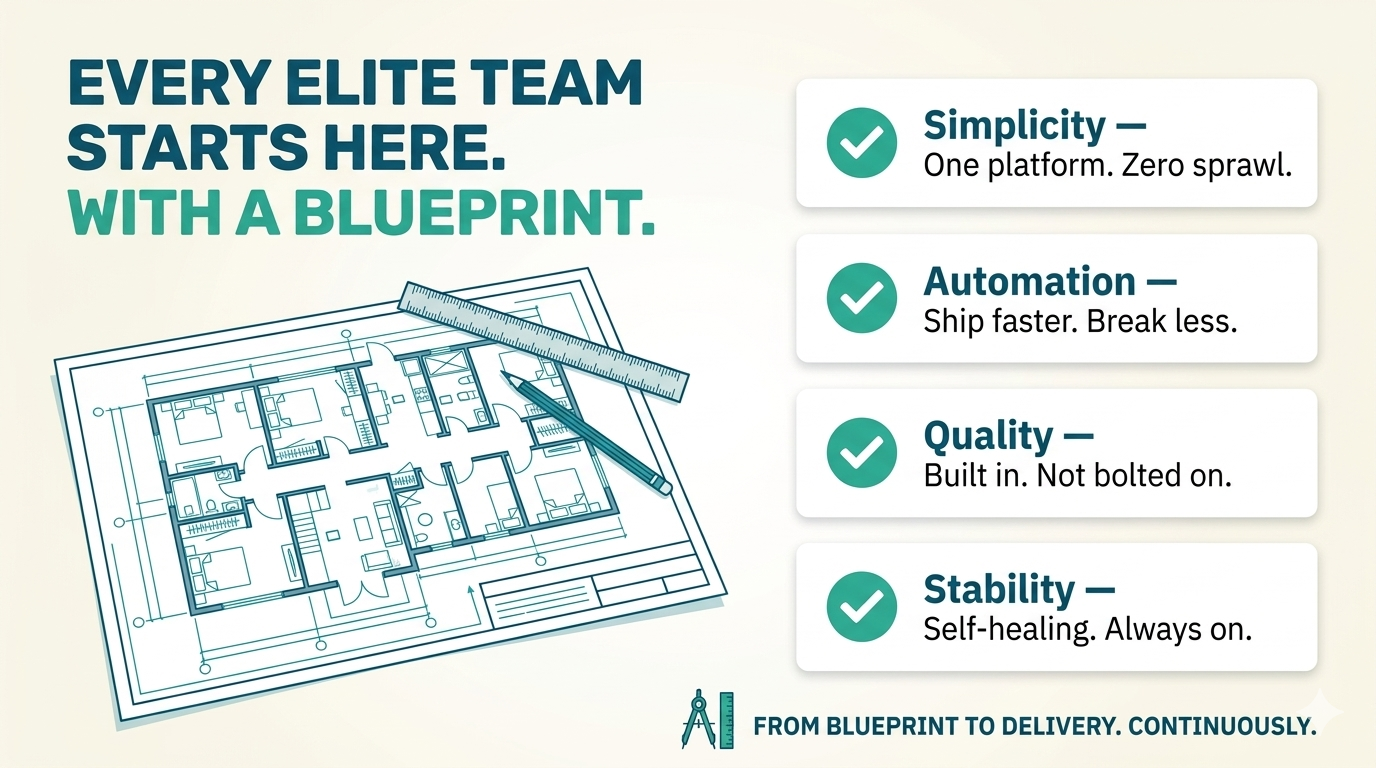
Elite software delivery teams share one trait: they accelerate without sacrificing quality. To achieve consistent, high-velocity delivery, organizations must move beyond manual, fragmented processes and embrace a strategy centered on simplicity, automation, and platform engineering.
If you are looking to transform your software delivery lifecycle (SDLC), here is a blueprint for building a high-performance, autonomous delivery ecosystem.
1. Cultivate Simplicity Through Platform Engineering
Complexity is the enemy of velocity. When teams spend more time managing "tool sprawl", navigating disparate systems and custom configurations, they spend less time delivering value.
- The Platform Mindset: Treat your internal developer toolchain as a product. The goal is to build a centralized platform that is so intuitive and frictionless that it becomes "invisible" to the developers.
- Standardization: Curate a set of battle-tested patterns and tools. By providing paved paths, you ensure predictability across the environment, allowing teams to focus on innovation rather than infrastructure.
2. Leverage Intelligence for Automation
Modern delivery requires moving beyond simple scripts. Harnessing data and machine learning can dramatically accelerate the development lifecycle.
- Intelligent Code Management: Use AI to improve code reuse, simplify searchability, and automate the generation of repetitive tests.
- Change-Based Testing: Stop wasting compute and time on full test suites for every minor update. Implement testing that triggers based on specific code changes, ensuring speed without compromising reliability.
3. Embed Quality from the Start (Shift Left)
Teams should not treat security and compliance as final gates that slow down deployment. Instead, teams must weave them into the fabric of the development process.
- Built-in Governance: Integrate security scanning, threat modeling, and compliance checks directly into the developer's workflow, specifically inside IDE and CI/CD pipelines.
- Continuous Feedback: By catching vulnerabilities at the design and development phase, you avoid the costly delays that late-stage fixes cause.
4. Optimize for Stability and Autonomy
Elite software delivery requires stability as much as speed. Elite performance measures not just how fast you ship, but how stable your environment remains under pressure.
- Advanced Deployment Patterns: Utilize Canary Testing to release features to small subsets of users first, and Feature Toggles to enable or disable capabilities instantly. This lowers the blast radius of any potential issues.
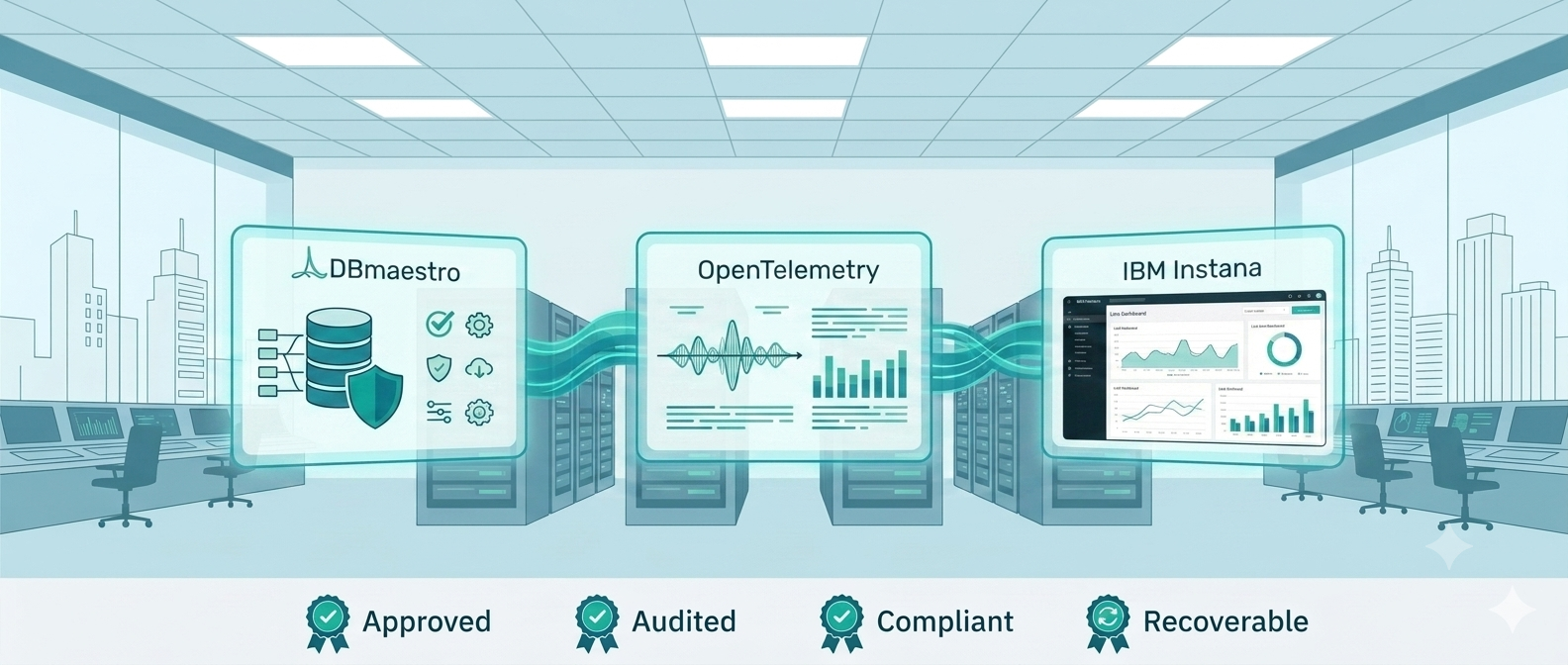
- Self-Healing Architecture: Build systems with deep observability. By leveraging automated remediation for known error states, you achieve a self-healing environment that maintains uptime without manual intervention.
The Bottom Line: Moving to "Continuous Everything"
The transition to an elite delivery model is a team effort that requires a shift in culture. By moving from managing individual tools to building a unified, autonomous platform, you enable your engineers to operate at their highest potential.
The ultimate objective is simple: perpetual value delivery. When your infrastructure handles the complexity, your team is free to focus on what matters most, solving the problems that drive your business forward.
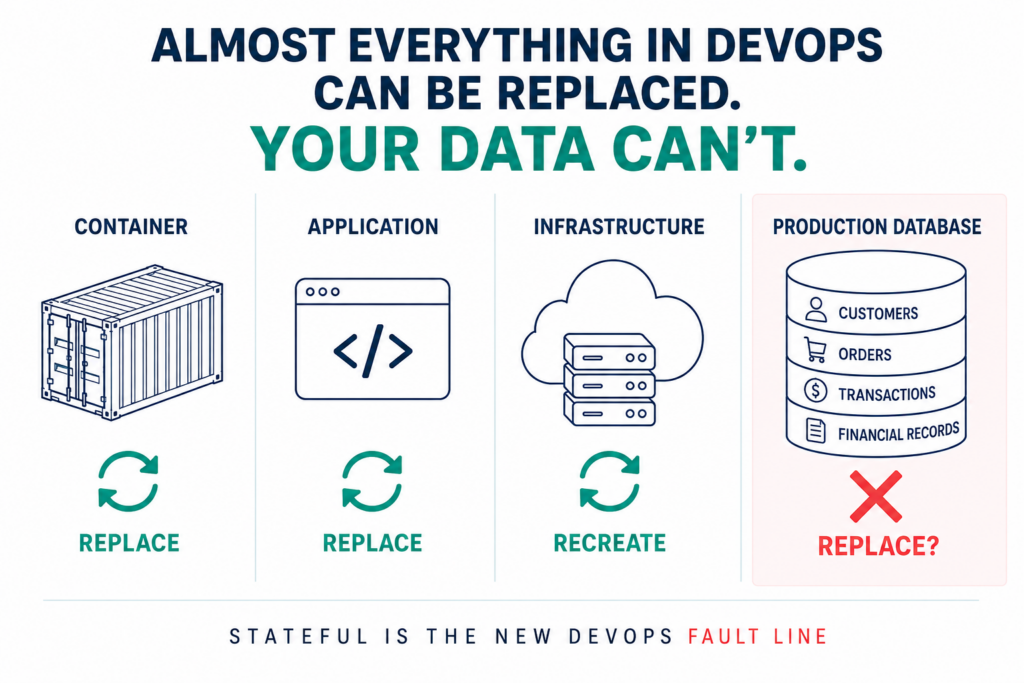
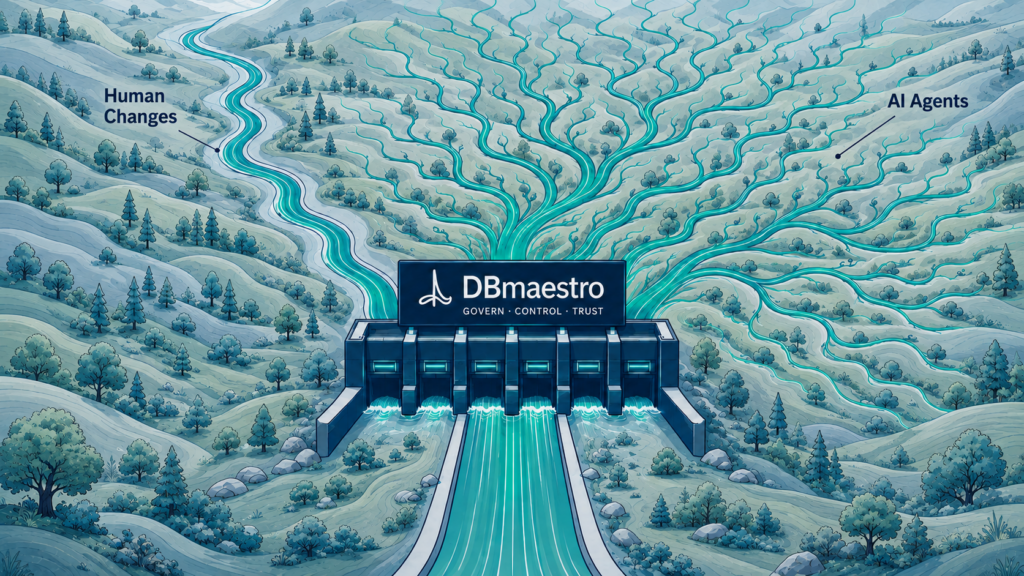
However, true continuous delivery cannot exist in an application silo. While optimizing the application layer covers roughly 80% of an end-to-end perspective, a critical 20% of code, schema definitions, and business logic typically resides within the database. Leaving the database out of your automated pipelines creates an operational bottleneck, meaning true end-to-end coverage requires extending your platform engineering and DevSecOps principles to include automated database change management, observability, and version control. Achieving elite software delivery means extending automation all the way to the database.
What is the biggest bottleneck currently slowing down your development team's velocity?