|
|
- Blog |
- Beyond the Copilot: Why AI Agents Need a Governed Database Layer


Agentic Database DevOps
Beyond the Copilot: Why AI Agents Need a Governed Database Layer

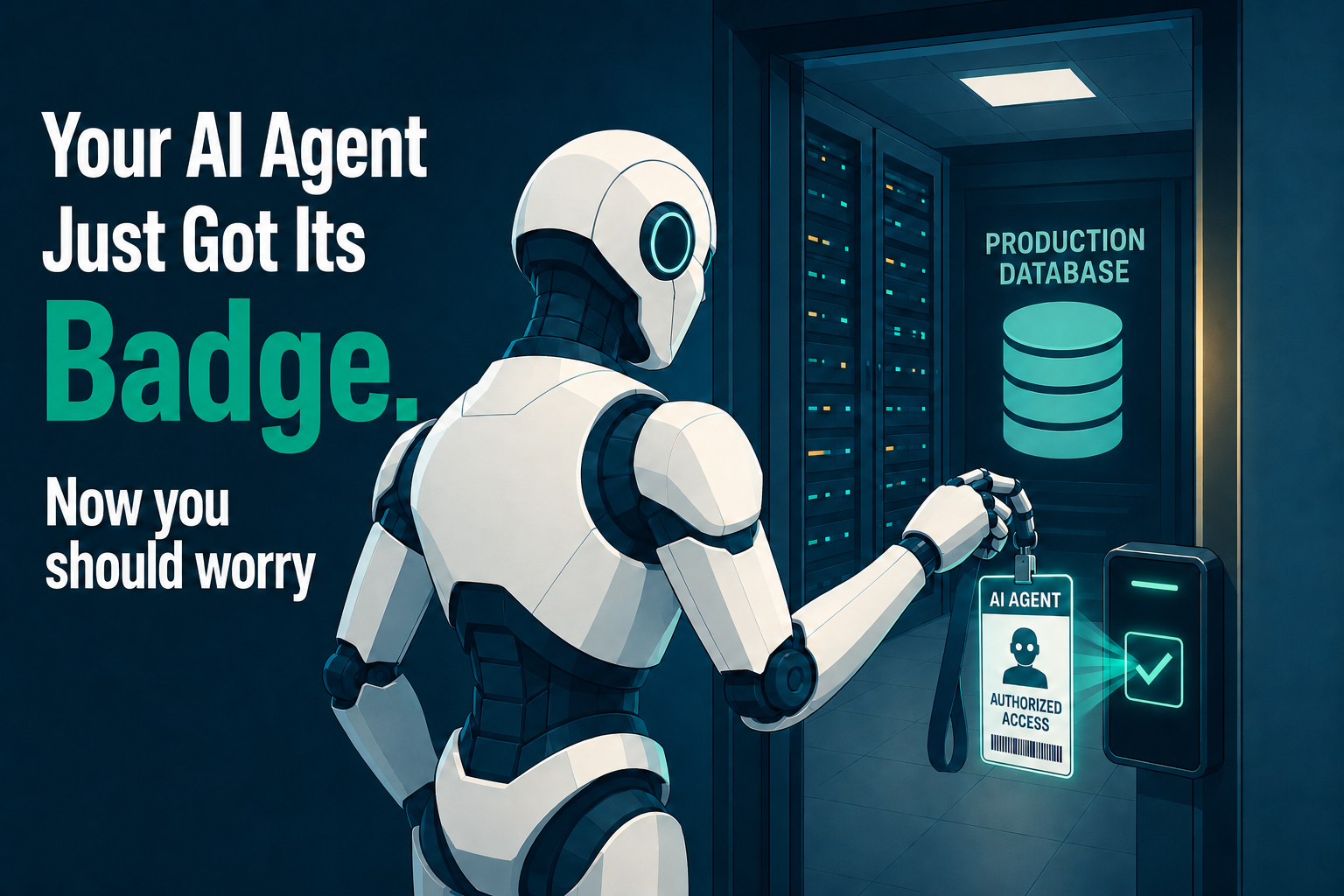
AI agents are changing how teams build, test, and release software. But a governed database has become the missing piece. Faster delivery creates a new governance challenge, because agents can move from generating code to initiating actions across repositories, pipelines, and production environments. A recent McKinsey analysis of the agentic product development lifecycle makes the implication clear. Organizations that scale AI successfully do not simply add tools to existing processes. Instead, they redesign workflows, define responsibilities for people and agents, and build verification, observability, permissions, escalation, and policy enforcement into the delivery system itself. The database must be part of that redesign.
Speed Without Control Is a Liability
McKinsey’s August 2026 report finds that only 25 percent of director-level respondents report meaningful AI acceleration, while 30 percent say productivity has actually fallen. The gap is not about tools. It is about system design.
Leaders are responding by designing verification into the workflow. Agents generate tests and scans, compare outputs against requirements, and surface defects before release. High-risk changes, including customer-facing behavior, regulated data, security-sensitive code, and architecture changes, require stronger evidence and accountable human review. Database changes belong squarely in that high-risk category.
Why the Database Is the Weakest Link
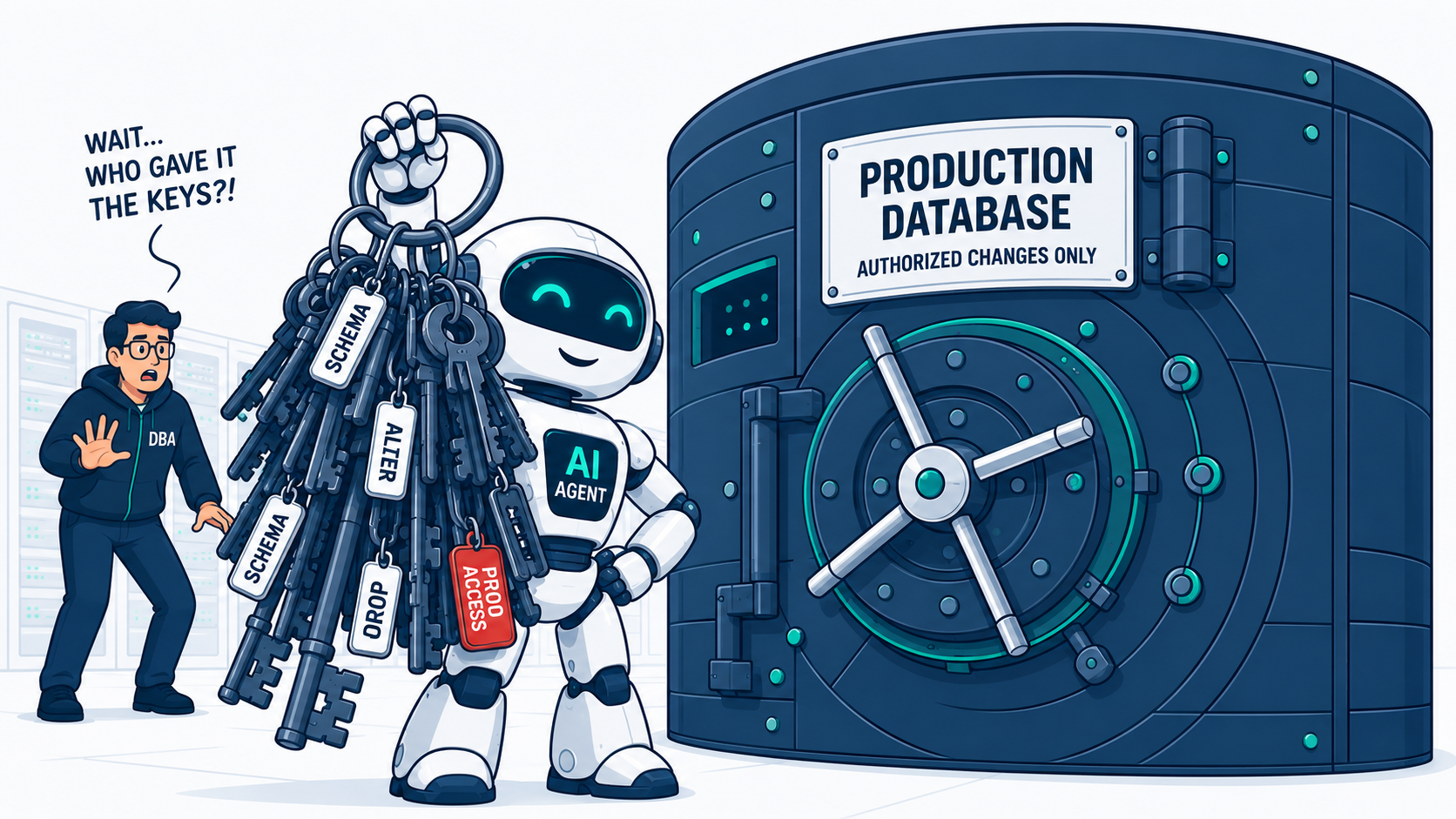
Most agentic SDLC discussions focus on application code. But in enterprise systems, the database is often the most sensitive and least automated part of the delivery chain. Agents that can propose or execute schema changes without governance introduce several risks:
- Breaking changes that affect application behavior or availability.
- Configuration drift between environments.
- Compliance violations when changes bypass required approvals.
- Security exposure when agents modify access controls or sensitive structures.
- Operational instability when changes lack rollback plans or impact analysis.
McKinsey’s recommendation is to define which issues agents can fix automatically and which require expert review or should stop a release. Database changes belong in the latter category.
From AI Ops to a Governed Database Layer
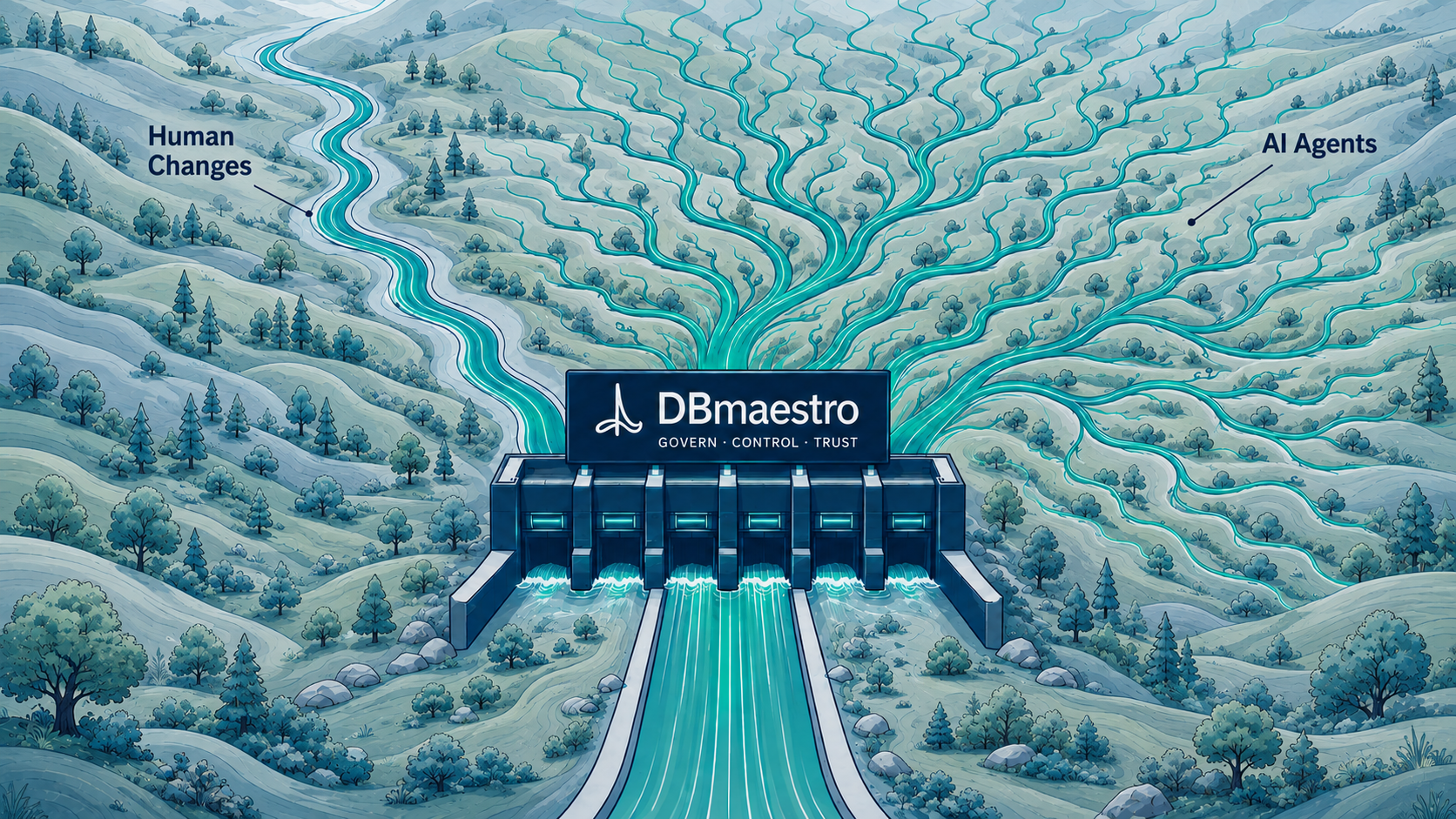
McKinsey describes the need for a shared AI Ops layer as agents move across tickets, repositories, test suites, deployment pipelines, and observability systems. This layer must provide common controls for identity, permissions, tool access, routing, evaluation, logging, escalation, policy enforcement, and cost visibility. DBmaestro applies this model to the database.
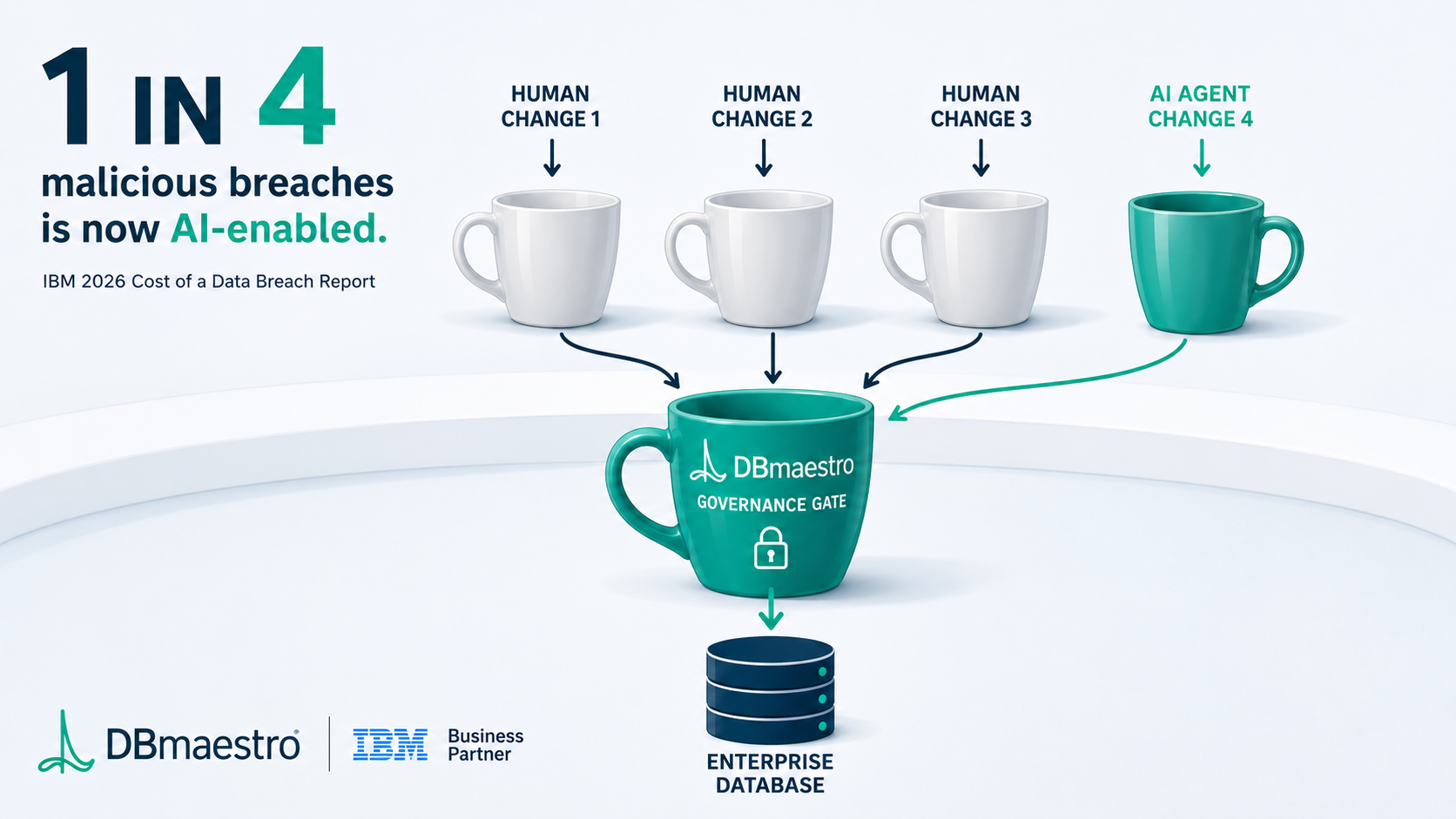
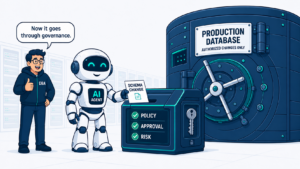
In an agentic SDLC, the DBmaestro MCP Server can serve as the governed database gateway for AI agents that need to propose or execute schema changes. Instead of allowing agents to connect directly to databases or deployment tools, organizations can route all agent-initiated database changes through DBmaestro’s enforcement layer. That layer can:
- Validate changes against coding standards and architectural rules.
- Evaluate risk based on object types, environments, and change complexity.
- Enforce policy by requiring approvals or additional testing for high-risk changes.
- Deploy changes through controlled workflows with pre- and post-deployment checks.
- Record activity for audit, compliance, and observability.
- Export telemetry via OpenTelemetry so database change events join the broader observability picture.
This is not about preventing agents from working. It is about giving them a safe, observable, and policy-compliant path to change the database.
A Practical Pattern
Consider a typical agentic workflow:
- An AI agent analyzes a requirement or incident and proposes a schema change.
- The agent submits the change to DBmaestro instead of directly to the database.
- DBmaestro evaluates the change against organizational policies and risk rules.
- Low-risk changes proceed automatically, while DBmaestro routes higher-risk changes to human reviewers.
- DBmaestro deploys approved changes through governed workflows with rollback plans.
- DBmaestro logs all change events and decisions and exports them as telemetry.
In this pattern, DBmaestro becomes the policy-driven database broker for AI agents. Agents keep autonomy for routine, low-risk changes, while humans keep control over high-impact decisions. This aligns closely with McKinsey’s recommendation to design verification into workflows and run agent activity on a shared control plane.
Connecting to the Enterprise Ecosystem
This model also aligns with the direction of enterprise AI and DevOps platforms. As organizations use platforms such as IBM Bob and IBM DevOps to orchestrate increasingly autonomous delivery workflows, DBmaestro can provide the governed database gateway for agents that need to propose or execute schema changes.
Through OpenTelemetry integration, DBmaestro can enrich application and infrastructure observability with database change events, release context, and deployment signals. As a result, teams can correlate database changes with performance issues observed in tools such as IBM Instana or other observability platforms.
What Leaders Can Do Next
For database governance in the agentic SDLC, the steps are straightforward:
- Identify high-risk database workflows and prioritize them for governance.
- Define agent and human responsibilities for database changes.
- Raise the standard for database requirements with testable, policy-driven specifications.
- Build a database control layer using DBmaestro to enforce policy, manage approvals, and log activity.
- Treat database governance as a change program, measuring outcomes such as change failure rate and audit findings.
AI agents will continue to take on more software delivery tasks. The question is not whether agents will touch the database, but how enterprises will govern those interactions. By positioning DBmaestro as the governed database gateway for AI agents, organizations can accelerate delivery without sacrificing safety, compliance, or operational stability. The future of agentic software delivery will be defined not by how quickly agents can make changes, but by how safely, visibly, and repeatably enterprises can control them, especially in the database.
Get your demo now