


Let me tell you a story about badges, and why AI agent governance is the piece everyone is missing. For decades, we obsessed over one thing in enterprise security: keeping the wrong people out. We built passwords, then better passwords, then MFA, SSO, identity providers, RBAC, privileged-access management, Zero Trust. You know the list. They all asked the same thing: who are you, and should we let you in.
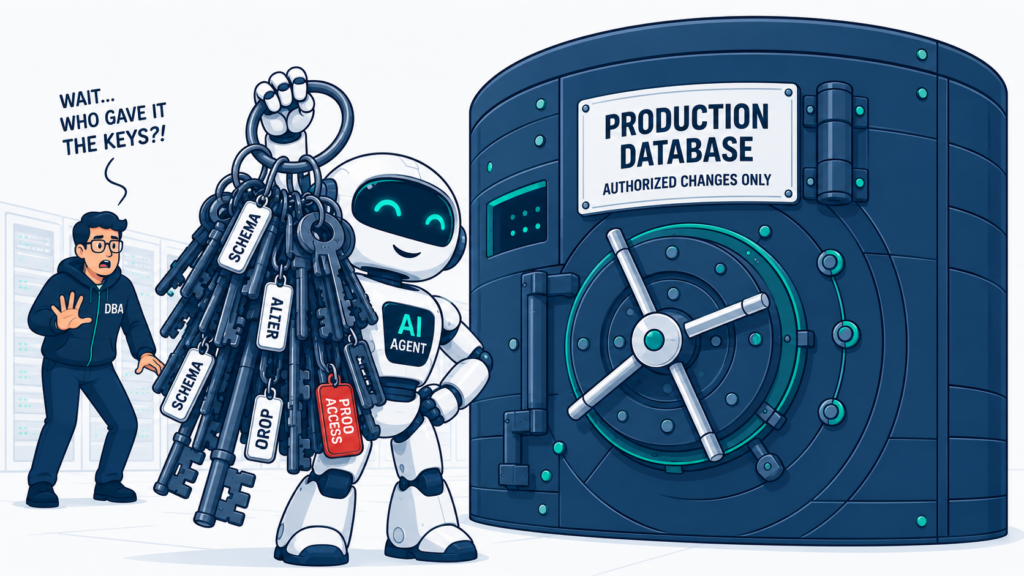
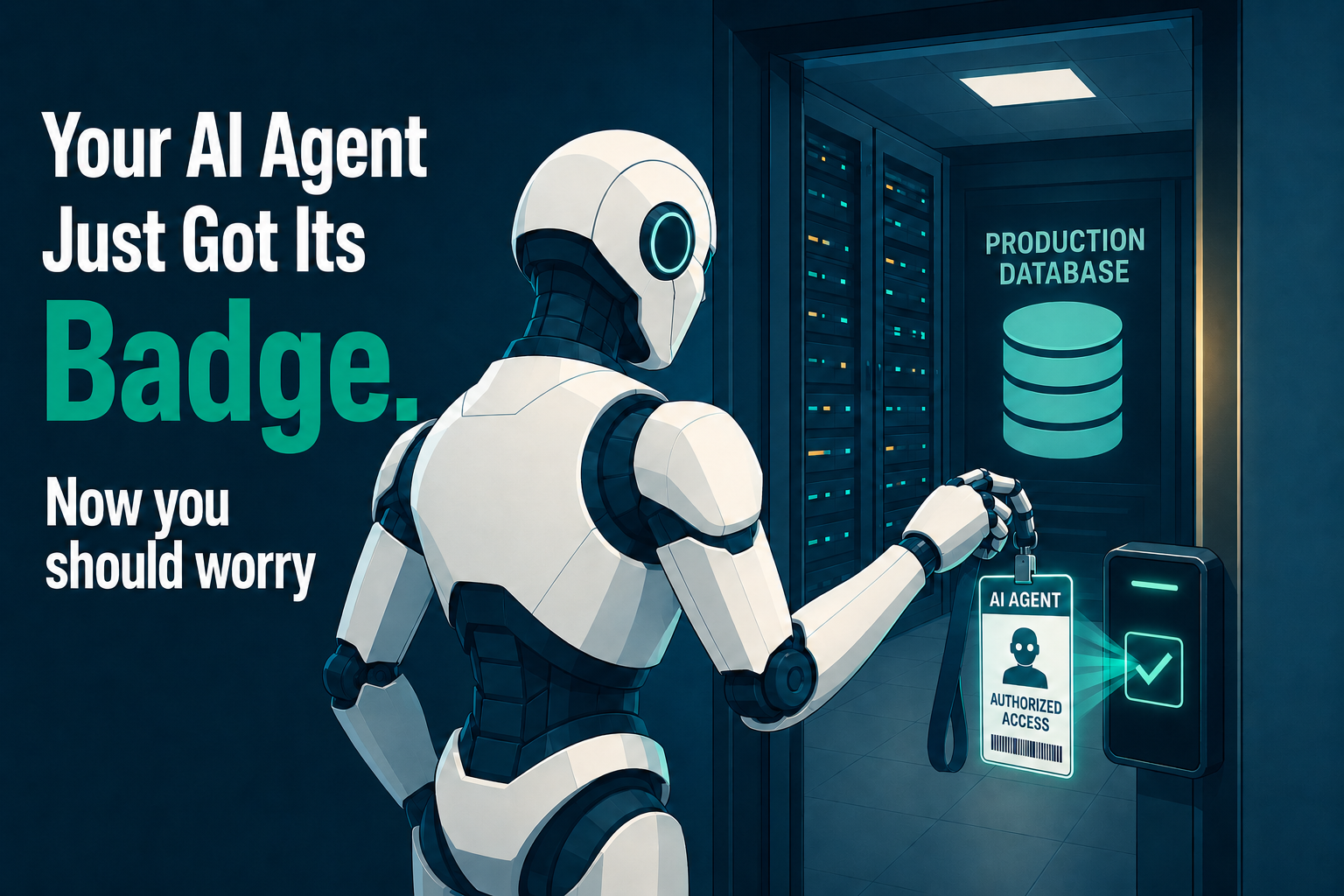
Then something changed. We started handing out badges to AI agents. Not visitor badges. Real ones. Identities, credentials, API access, permission to touch the systems that actually run the business. Google Cloud recently called AI agents "the ultimate insiders." That line stuck with me. Because here is the thing about insiders: they are not trying to break down your front door. They are already inside.
Authentication and Authorization Are Not Enough
Picture this. An employee walks into a secure building, swipes their badge, green light, door opens. Perfect. Security did its job. But now think about what happens next. Should that person walk into the server room, shut down production, export ten million customer records, or change the financial database? Your badge system does not answer that.
Authentication says "Yep, that is really Gil." Authorization says "Gil can access these things." But neither one answers the question we actually need to ask about AI agents: should this specific action happen? And that matters far more when the person wearing the badge is not a person at all.
AI agents do not get tired. They do not wait until Monday. They can fire off hundreds of actions at machine speed. Here is the part people miss: the dangerous agent is not always the rogue one. Sometimes it is the perfectly authenticated, properly authorized agent doing exactly what you told it to do.
This is not theory. In fact, the market says so. Gartner expects the AI security market to hit almost $4.8 billion in 2027, up 68.7% from this year. By 2029, more than half of successful attacks on AI agents will come from access-control weaknesses and prompt injection. Google Cloud says 79% of tech leaders point to security, governance, or operations as their biggest headache when scaling AI. The translation is simple. Giving an agent smarts is easy. Giving it authority without blowing things up is the hard part. Especially when it comes to the database.
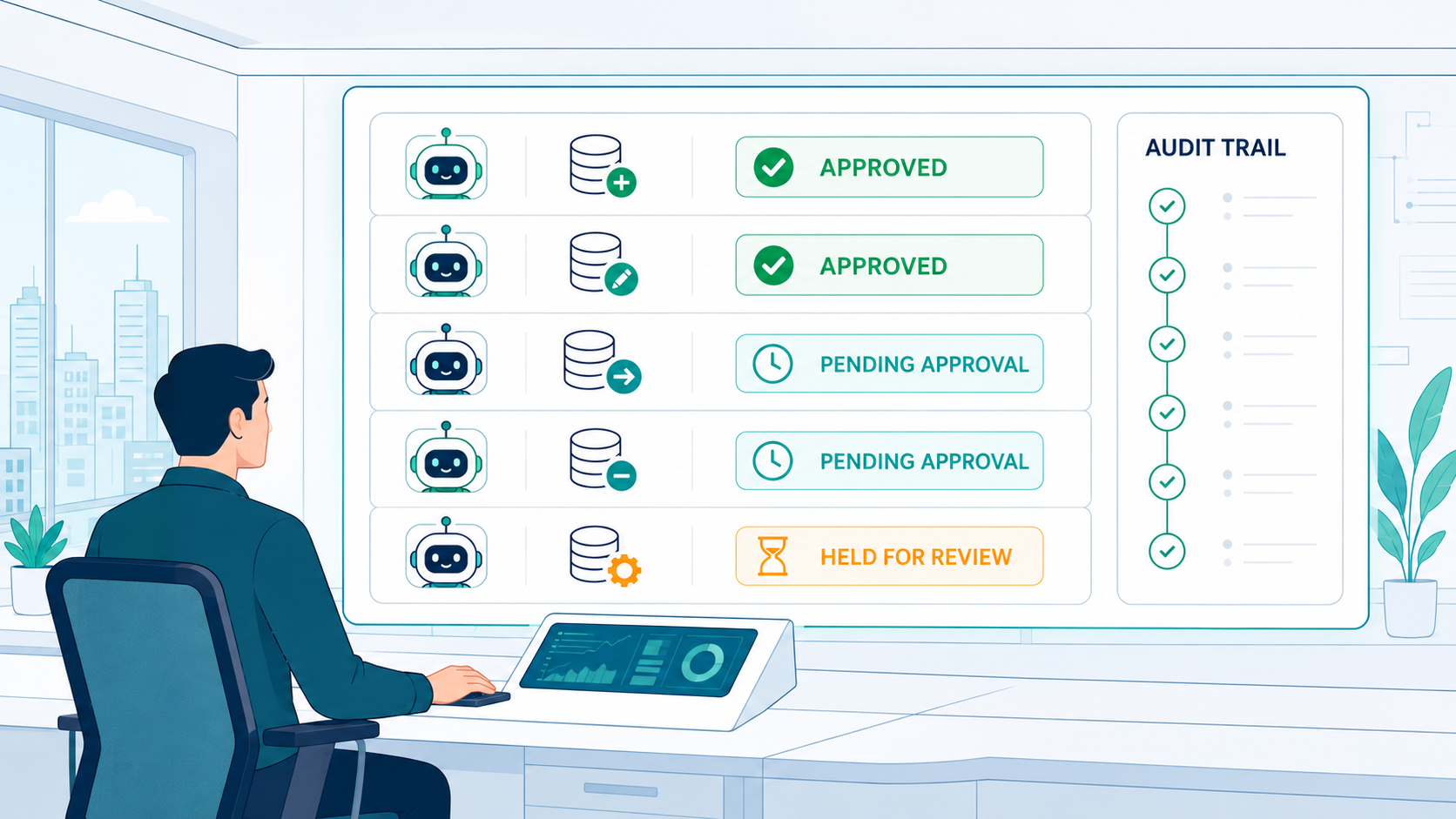
Why the Database Raises the Stakes
Your database is not just another app. It is where your business lives. Customers, transactions, orders, payments, inventory. It is all in there. And we increasingly let AI agents talk to it. For example, say someone tells an agent: "Deploy tonight's database changes." The agent writes the SQL. Its identity checks out. Credentials are valid. The role allows database changes. Everything looks green. But should production actually run it? That is a totally different question.
Maybe the script drops a critical column. Perhaps it conflicts with something already in production. It might break policy. Or it locks a table for 40 minutes. Sometimes it is heading to the wrong environment. And maybe 99 steps are fine while step 100 is not. Your badge cannot tell you that. Governance can.
AI Agent Governance Without Locking Agents Out
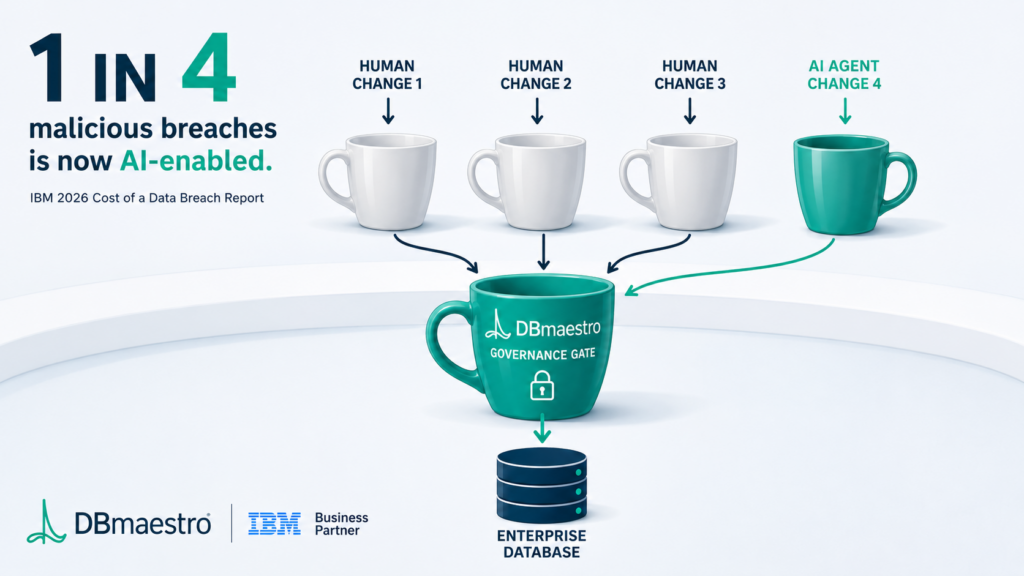
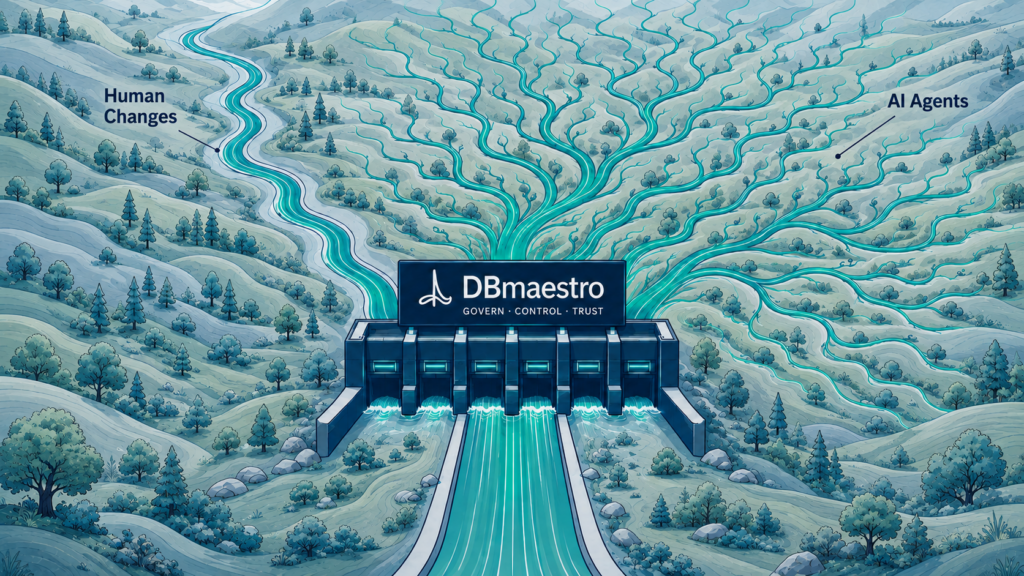
Of course, locking agents out of production defeats the whole point. The trick is letting them move fast inside a governed model. That is what we have been working on at DBmaestro, and it is what real AI agent governance looks like. Agents talk to DBmaestro through our MCP Server and APIs, joining real delivery workflows. But they do not get the master key.
DBmaestro captures and versions every change. Then it scans each one against policy and tests it before it runs. Along the way, it catches drift and flags conflicts. Meanwhile, approvals stay required. Separation of duties still matters, even when software kicks things off. Every deployment becomes traceable. Afterward, you can see what changed, who or what started it, what got approved, what actually ran, and what happened. The agent gets autonomy. The enterprise keeps authority.
We spent decades building systems to decide who gets through the door. Still, do not toss that out. Identity, MFA, RBAC, least privilege. They matter more than ever. But they are just the beginning. The next wave of enterprise systems will not just have human insiders. They will have thousands of non-human ones, working nonstop, crossing systems, calling APIs, and making changes faster than any human could. They will have real badges. And sometimes, a perfectly good reason to do something you really do not want done. Your AI agent just got its badge. Now make sure someone is watching what it does after the door opens.