According to LinkedIn (Sep 2022) there are 152,000 Chief Data Officers globally, serving companies across all business segments.
What is the role of Chief Data Officer?
The role of the CDO (Chief Data Officer) was largely introduced to the market by banks and insurance companies, following the 2008 credit crisis. The crash that occurred drove a demand for a C-level role to ensure data integrity and enforce full transparency for regulatory and risk management. This new role would also foster the growth of greater decision making related to artificial intelligence, machine learning, and smart analytics.
Today the CDO, and database compliance in general, necessitates determining what types of information the enterprise will capture, retain and exploit for different purposes, as well as how to best store and process data that most benefits the organization.
S/he understands the business value of various types of data and can convey to data stakeholders the best ways integrate business needs with better data management.
Many CDOs have become innovators, driving the business toward digital transformation and pursuing new methods for revenue generation by harnessing data-driven wisdom.
In 2020, dynamic pricing made news headlines as very common products such as toilet paper and hand sanitizer suddenly changed dramatically. More common examples of dynamic pricing are airline prices, rideshare surge pricing and rental rates that change hourly. It’s all based on demand and driven by data. As a result, organizations today have a growing number of data-savvy consumers that check for updates daily, if not hourly.
For these reasons, Chief Data Officers frequently work closely with Chief Marketing Officers (CMO)s, to not only drive better pricing, but to use data for better customer online experiences and interactions, with the ultimate goal to drive more sales.
CDOs also generally work closely with Chief Information Officers (CIO), a position that supports the company by maintaining processes for collecting, storing and accessing the data. And, while it is easy to see how there may be overlap in the responsibilities of these two positions, CDOs are ultimately responsible for not only compliance, but also for data quality.
As artificial intelligence, and business intelligence in general, play greater roles in organizations’ success, CDOs’ responsibilities have also expanded significantly to include collecting, storing, ensuring quality and appropriate dissemination of the data. Some of the ways they do this are below:
- Using advanced technologies to collect from multiple sources
- Developing and maintaining data warehouses
- Creating systems that ensure data integrity
- Establishing corporate policy for data governance practices
- Broadening access to data via internal systems
- Ensuring data protection and privacy regulations are adhered to
Although the CDO, and data governance in general, arguably grew the most at the turn of the 21st century, especially related to compliance regulations after the great recession of 2007, the last bullet point above carries with it its own set of issues. In May of 2018, consumers across the planet were suddenly awash with emails from companies sharing updated “privacy” policies due to Europe’s new General Data Protection Regulation (GDPR). American companies that sold only domestically found little respite as the state of California followed suit that same year with their own California Consumer Protection Act (CCPA). Both of these new laws required strict adherence by companies to safeguard consumer data and establishing new “rights” for consumers, including the rights to:
- Opt-out of the sale of personal information
- Delete personal information collected by the company
- Know about the data collected and how it’s used/shared
- Exercise privacy rights without discrimination by companies
New privacy laws and the Chief Data Officer’s role
These new laws placed a heavy load on CDOs internationally, changing the way companies were permitted to handle their own, internal consumer data. From first-party cookie tracking to online shopping carts, businesses’ methods for handling data and communicating with their customers faced sudden difficulties.
As software development teams sought to ensure they were compliant with privacy laws, competitive pressures also required new ways to expand and increase the capacity for quicker software releases. That continues to be the case today. As a result, manual governance of database changes has become a real challenge and serious concern. Ensuring data security and safety, while avoiding unnecessary data duplication and rework, requires automation.
CDOs have become companies’ data authorities and do much more than ensuring data compliance with regulatory bodies; they are necessarily focused on leveraging the right technologies and solutions, enabling them to supervise and monitor the growing significance of data management, especially as it relates to software.
How can database compliance help?
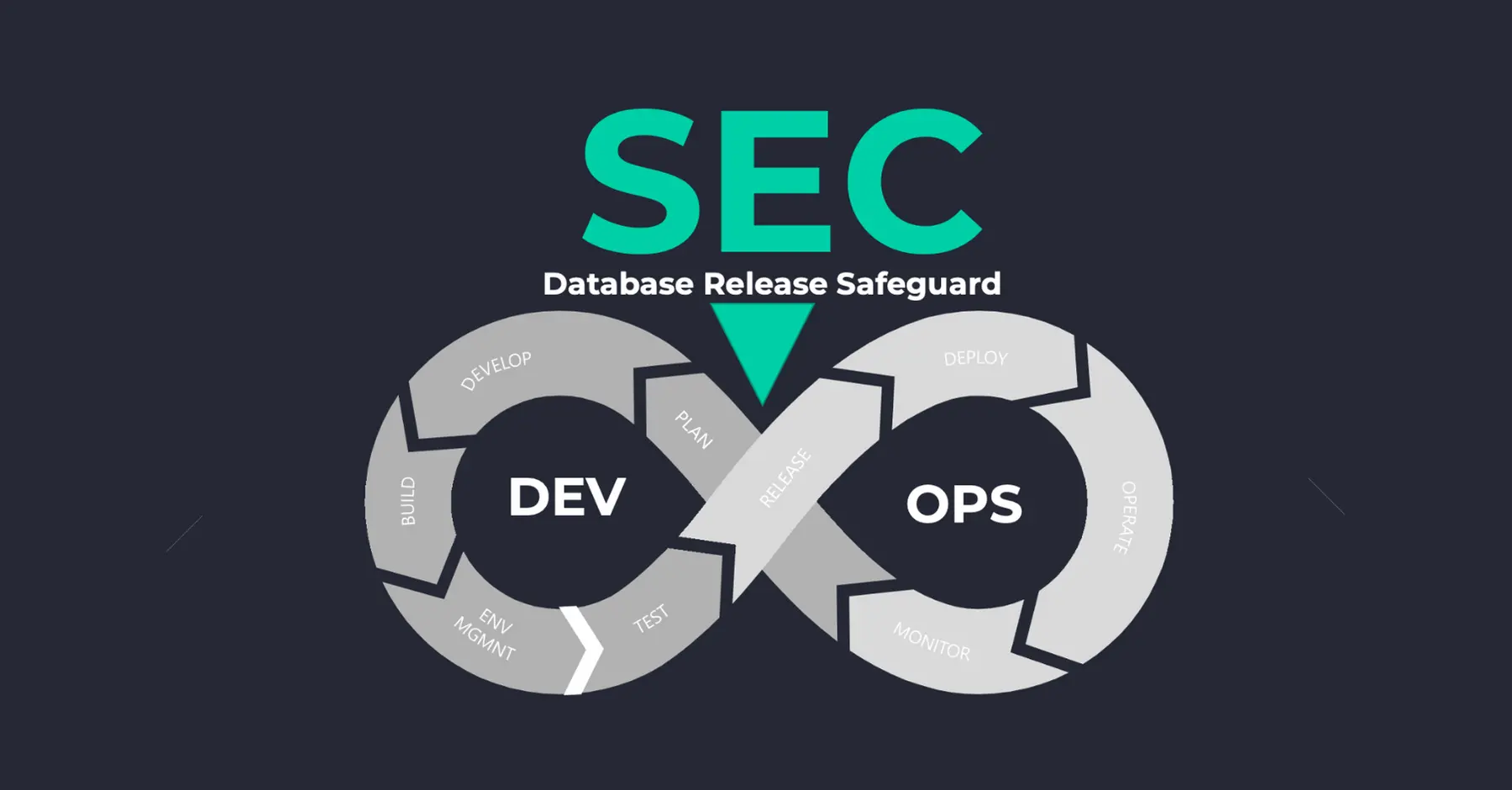
DBmaestro, provides a 360° view of all data components. It starts with DBmaestro’s Source Control product (DBM-SC) that manages all changes made to database code, structure or content across all teams. The DBmaestro DevOps product ensures end-to-end CI/CD processes are secure, fast, safe and fully governed. DBmaestro reduces the load on the CDO by adding smart, automated and audited processes that accelerate feedback loops between developers and DBAs, saving time and eliminating costly rework and downtime.
To see more on superior governing of database changes and processes, click here.