Identity Theft in the Database Layer: A Growing Risk and How to Defend Against It

In today’s threat landscape, identity theft is no longer just a consumer concern. It has become a strategic risk to enterprise infrastructure especially at the database layer, where the most sensitive and valuable data resides. For DBAs, DevOps leaders, and CISOs, this is a call to action. As perimeter defenses mature, attackers increasingly target internal access paths, leveraging credential theft and identity misuse to gain a foothold inside production environments.

While firewalls and endpoint detection systems are vital, they offer limited protection once an attacker masquerades as a trusted developer or DBA. Traditional access controls and logging fall short. Enterprises need a layered, DevSecOps-aligned strategy to close identity-based gaps in database access. DBmaestro offers a purpose-built solution to this exact challenge, aligning security, automation, and compliance in a unified platform.

This article examines the problem in depth, explores the vulnerabilities in current database workflows, and outlines a strategic framework to proactively mitigate identity theft risks powered by DBmaestro’s platform.

The New Face of Identity Theft: Inside the Database

Identity theft in enterprise environments is rarely about a stolen credit card. It’s about gaining unauthorized access by assuming the identity of a legitimate user usually through stolen credentials, compromised endpoints, or abuse of overly permissive roles. Once inside, attackers can view, exfiltrate, or manipulate sensitive data without raising alarms. In many cases, they use the same tools and interfaces that developers or DBAs use daily.

This is especially dangerous in the database layer, where:

  • Access is often shared across teams using static or generic credentials
  • Authentication mechanisms lag behind modern standards (e.g., many SQL clients lack MFA support)
  • Privileged users can read or write data without triggering policy violations
  • Non-production environments use production-like data without proper isolation
  • Scripts and deployment tools contain hardcoded passwords or keys

The result? A highly attractive attack surface. Even if one development machine is compromised, an attacker may gain full visibility into production databases or sensitive test environments.

Why Traditional Controls Fail

Despite best intentions, many organizations rely on outdated practices that open the door to identity abuse:

  1. Static Credentials and Shared Accounts

Database access is often managed through long-lived credentials stored in scripts, CI/CD pipelines, or shared across teams. These credentials, once leaked or misused, offer unrestricted access to anyone holding them.

  1. Lack of Role Granularity

It’s common to see developers with production-level privileges or DBAs with full access to all environments. This violates the principle of least privilege and increases the blast radius in case of identity compromise.

  1. Insufficient Audit and Attribution

Even when database changes are logged, the logs often fail to tie changes to named, authenticated users. This creates blind spots in forensics, accountability, and regulatory compliance.

  1. No Sufficient Oversight

Most environments lack enforcement mechanisms that can block suspicious activity from  happening. Instead, they rely on post-incident analysis, which is too little, too late.

The Case for a DevSecOps Approach to Identity Control

To address identity theft at the database level, organizations must rethink their architecture. This involves more than encryption or backup. It requires embedding security into the entire database delivery pipeline from access control and authentication to deployment and auditing.

Here’s what an effective strategy looks like:

  • Identity-bound access to all environments
  • Secrets management through centralized vaults
  • Multi-factor authentication for database workflows
  • Role-based access control (RBAC) at a granular level
  • Just-in-time, policy-based approvals for elevated access
  • Full traceability of every change to a human identity
  • Automated enforcement of compliance and drift policies

This is where DBmaestro steps in not as a point tool, but as a platform built to unify database automation, security, and governance under a DevSecOps umbrella.

DBmaestro: Strategic Identity Protection for the Database Tier

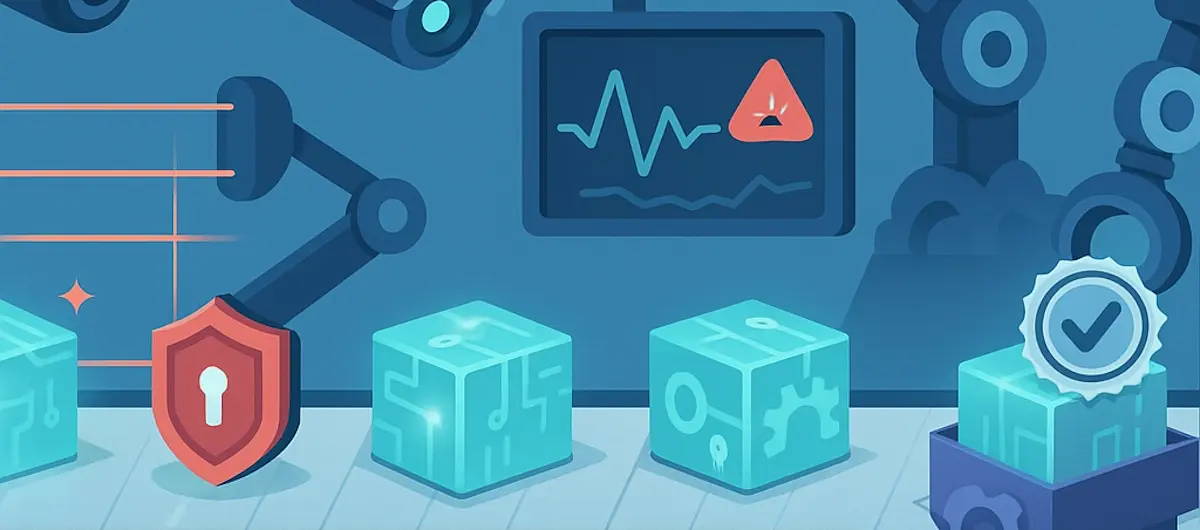
DBmaestro tackles identity theft at its root by transforming how organizations manage database access and change processes. Its architecture supports a multi-step defense strategy that puts several secure layers between attackers and sensitive data.

Let’s explore the core pillars of this strategy:
Step 1: MFA and Federated Identity Through OIDC

DBmaestro integrates with enterprise identity providers using OpenID Connect (OIDC). This allows teams to enforce single sign-on (SSO) and multi-factor authentication (MFA) across all database activities both through the DBmaestro platform and in orchestrated CI/CD pipelines.

With identity federation, users are no longer local to the database or tool. Instead, they are authenticated through centralized, policy-controlled identity systems such as Azure AD, Okta, Ping Identity, or Google Workspace. This enables real-time access revocation and strong password policies while eliminating the risk of local credential misuse.

Step 2: Secrets Management via Vault Integration

DBmaestro doesn’t store passwords in configuration files or pass them through unsecured scripts. It integrates with any enterprise-grade vault solution, including:

  • HashiCorp Vault
  • CyberArk
  • AWS Secrets Manager
  • Azure Key Vault

At runtime, DBmaestro retrieves database credentials securely from these vaults. This removes the risk of credential exposure in source control, deployment artifacts, or CI/CD pipelines. It also ensures credentials are rotated and expire based on policy eliminating long-lived access tokens.

Step 3: Role-Based Access Control (RBAC) with Least Privilege

DBmaestro provides fine-grained RBAC across environments, projects, and actions. Each user is granted only the level of access needed to perform their role nothing more. Developers may be limited to non-production environments, while DBAs can be restricted to schema changes but not data extraction.

Combined with policy controls, this structure ensures that even if an account is compromised, the attacker’s reach is limited by predefined boundaries.

Step 4: Just-in-Time Access and Approval Workflows

Access to critical database functions can be tied to approval chains. For example, before a developer promotes a schema change to staging or production, DBmaestro can require manager or security team approval.

This approval workflow:

  • Limits the window of elevated access
  • Introduces human oversight at key points
  • Prevents accidental or malicious changes
  • Enforces separation of duties, reducing insider threat potential

Step 5: Change Attribution and Auditing

DBmaestro records every database action who did what, when, and why. Every change is tied to a named identity from the federated SSO system, not a generic service account or shared credential.

This audit trail helps organizations:

  • Respond quickly to anomalies
  • Prove compliance with regulations (SOX, HIPAA, PCI-DSS, etc.)
  • Investigate incidents with clarity
  • Prevent users from claiming plausible deniability

The platform also supports DORA metrics tracking, enabling teams to quantify deployment frequency, failure rates, and recovery times with full identity visibility.

Step 6: Automated Enforcement of Compliance and Drift Policies

Identity theft often leads to unauthorized or subtle changes to schema or configurations. DBmaestro prevents this through automated policy enforcement:

  • Drift detection between environments
  • Blocking unauthorized changes before they’re applied
  • Requiring approvals for any deviation from the source-controlled database code

These guardrails help detect and contain identity abuse before it leads to data loss or regulatory exposure.

Beyond Prevention: A Framework for Accountability

Security is not just about stopping bad actors. It’s about creating a system where every user, every action, and every outcome is accountable. DBmaestro supports this by:

  • Shifting control from individual users to policy-backed workflows
  • Eliminating ambiguity in access control
  • Providing real-time visibility for security teams
  • Creating a defensible audit trail for internal and external auditors

This isn’t just operationally sound it’s foundational to zero trust and modern compliance models.

get a demo banner

Final Thoughts

The database is the final line of defense in most breach scenarios. Once an attacker reaches it, the damage is usually swift and irreversible. Protecting the database layer against identity theft is no longer optional. It must be embedded into the way organizations build, deploy, and manage data-driven systems.

DBmaestro provides a clear path forward. Its integration with vaults, SSO, RBAC, and policy automation closes the identity gaps that attackers exploit. More importantly, it offers a framework that turns identity into a control point rather than a vulnerability.

For DBAs, DevOps leaders, and CISOs, this is the future of secure database operations measurable, traceable, and resilient by design.

Regulatory Compliance Automation: Secure Your Database

Regulatory compliance automation is revolutionizing database security by streamlining processes, reducing vulnerabilities, and ensuring continuous adherence to regulatory standards. This approach not only enhances data protection but also simplifies compliance management for organizations of all sizes.

What You’ll Learn

– The critical role of regulatory compliance automation in database security

– Common security risks in traditional database management

– How automated database management improves compliance and security

– Key features of compliance automation for database security

– Best practices for implementing regulatory compliance automation

The Role of Regulatory Compliance Automation in Database Security

Regulatory compliance automation plays a crucial role in enhancing database security and ensuring adherence to various regulatory standards. By leveraging automated tools and processes, organizations can significantly reduce the risk of data breaches, unauthorized access, and compliance violations. This approach not only strengthens data protection measures but also streamlines the often complex and time-consuming task of maintaining regulatory compliance.

Common Security Risks in Traditional Database Management

Traditional database management approaches often expose organizations to various security risks:

  • Human errors in configuration and access control
  • Inconsistent application of security policies
  • Delayed patch management and vulnerability fixes
  • Inadequate monitoring and auditing capabilities
  • Difficulty in maintaining up-to-date compliance documentation

These vulnerabilities can lead to data breaches, regulatory fines, and reputational damage.

How Automated Database Management Improves Compliance and Security

Automated database management significantly enhances both compliance and security through several key mechanisms:

Automating Security Policies and Access Controls

Automated database security tools enforce predefined security policies and access controls consistently across all database instances. This reduces the risk of unauthorized access and ensures that only appropriate personnel can interact with sensitive data.

Continuous Monitoring for Compliance Violations

Real-time monitoring capabilities allow organizations to detect and respond to potential compliance violations promptly. This proactive approach helps prevent security incidents before they escalate.

Automated Patch Management and Vulnerability Fixes

Automated database management systems can identify and apply necessary security patches and updates automatically, reducing the window of vulnerability to known exploits.

Key Features of Compliance Automation for Database Security

Effective compliance automation solutions for database security typically include:

  • Policy enforcement mechanisms
  • Real-time monitoring and alerting
  • Automated risk assessment tools
  • Comprehensive audit logging and reporting
  • Integration with existing security infrastructure
  • Automated patch management and vulnerability scanning

These features work together to create a robust, automated security framework that maintains continuous compliance and reduces the risk of data breaches.

Best Practices for Implementing Regulatory Compliance Automation in Databases

To maximize the benefits of regulatory compliance automation, organizations should follow these best practices:

Selecting the Right Compliance Automation Tools

Choose tools that align with your specific regulatory requirements and integrate seamlessly with your existing database infrastructure. Look for solutions that offer comprehensive coverage of compliance standards relevant to your industry.

Integrating Compliance Automation into DevOps Workflows

Incorporate automated compliance checks into your CI/CD pipelines to ensure that security and compliance are maintained throughout the development and deployment process. This integration helps catch potential issues early and reduces the risk of non-compliant changes reaching production environments.

Conducting Regular Compliance Audits with Automated Tools

Leverage automated auditing tools to perform regular compliance checks and generate detailed reports. This practice helps maintain a continuous state of compliance and provides valuable documentation for regulatory audits.

Key Takeaways

  • Automated database security significantly reduces vulnerabilities and streamlines compliance management.
  • Real-time monitoring and automated policy enforcement are crucial for maintaining continuous compliance.
  • Integrating compliance automation into DevOps workflows ensures security throughout the development lifecycle.
  • Regular automated audits help maintain compliance and provide necessary documentation for regulatory inspections.

Conclusion

Regulatory compliance automation is transforming the landscape of database security, offering organizations a powerful tool to protect sensitive data and meet complex regulatory requirements. By implementing automated solutions, businesses can significantly reduce the risk of data breaches, streamline compliance processes, and maintain a robust security posture.

As the regulatory environment continues to evolve and cyber threats become increasingly sophisticated, the importance of automated database security cannot be overstated. Organizations that embrace these technologies will be better positioned to protect their data assets, maintain customer trust, and navigate the complex world of regulatory compliance with confidence.

Ready to enhance your database security and streamline your compliance efforts? Explore DBmaestro’s database change management solutions to automate your security processes and ensure continuous compliance. Learn more about our Database DevOps solutions and take the first step towards a more secure and compliant database environment today.

Integrating Security and DevOps to Build Resilient Databases

Secure database DevOps involves incorporating security measures throughout the entire development lifecycle, from planning and coding to testing, deployment, and maintenance. This approach helps prevent data breaches, maintain compliance, and ensure system integrity by addressing security concerns at every stage of the process.

Understanding Secure Database DevOps

Secure database DevOps involves incorporating security measures throughout the entire development lifecycle, from planning and coding to testing, deployment, and maintenance. This approach helps prevent data breaches, maintain compliance, and ensure system integrity by addressing security concerns at every stage of the process.

The Importance of Security in DevOps for Databases

Integrating security into DevOps is essential for several reasons:

  1. Preventing data breaches: By embedding security practices into the development process, organizations can identify and address vulnerabilities early, reducing the risk of data breaches.
  2. Maintaining compliance: Secure database DevOps helps ensure adherence to regulatory requirements and industry standards, avoiding costly penalties and reputational damage.
  3. Ensuring system integrity: By implementing security measures throughout the development lifecycle, organizations can maintain the integrity of their database systems, preventing unauthorized access and data manipulation.

Why Traditional Database Security Approaches No Longer Work

Traditional security models often rely on perimeter-based defenses and periodic security audits. However, these approaches are insufficient in modern DevOps environments due to:

  • Rapid development cycles
  • Frequent deployments
  • Distributed systems and cloud-based infrastructure
  • Increasing sophistication of cyber threats

The Intersection of Security and DevOps: Why It Matters

Integrating security into DevOps, often referred to as DevSecOps, allows organizations to:

  • Identify and address security issues early in the development process
  • Automate security testing and compliance checks
  • Foster collaboration between development, operations, and security teams
  • Maintain agility while enhancing overall security posture

Common Security Challenges in Database DevOps

Some key risks in database DevOps include:

  • Misconfigurations leading to exposed data
  • Unpatched vulnerabilities in database systems
  • Weak access controls and privilege management
  • Insecure CI/CD pipelines that can introduce vulnerabilities
  • Lack of visibility into database activities and changes

Best Practices for Secure Database DevOps

To embed security into DevOps processes without disrupting agility and performance, consider the following best practices:

Implementing DevSecOps for Continuous Security

DevSecOps ensures that security is integrated into every stage of the database DevOps pipeline. This approach involves:

  • Conducting security assessments during the planning phase
  • Implementing secure coding practices and code reviews
  • Automating security testing as part of the CI/CD pipeline
  • Continuously monitoring for security threats and vulnerabilities

Automating Database Security Policies and Compliance Checks

Leverage automation tools to enforce security policies, detect vulnerabilities, and ensure regulatory compliance. This can include:

  • Automated vulnerability scanning
  • Configuration management tools to enforce security baselines
  • Compliance checking tools to ensure adherence to regulatory standards

Role-Based Access Control (RBAC) and Least Privilege Access

Implement RBAC and least privilege principles to minimize security risks by restricting access to databases based on user roles. This involves:

  • Defining clear roles and responsibilities
  • Granting minimal necessary permissions for each role
  • Regularly reviewing and updating access controls

Continuous Monitoring and Threat Detection

Utilize real-time monitoring and AI-driven threat detection to identify security breaches proactively. This can include:

  • Database activity monitoring (DAM) tools
  • Security information and event management (SIEM) systems
  • User and entity behavior analytics (UEBA) to detect anomalies

Essential Tools for Secure Database DevOps

To implement secure database DevOps effectively, consider a tool like DBmaestro which provides the following:

  • Security scanners for identifying vulnerabilities
  • CI/CD security integrations for automated testing
  • Database auditing solutions for tracking changes and access
  • Cloud security frameworks for protecting cloud-based databases

Key Takeaways

  1. Integrate security throughout the entire database DevOps lifecycle.
  2. Automate security testing and compliance checks to maintain agility.
  3. Implement role-based access control and least privilege principles.
  4. Utilize continuous monitoring and threat detection tools.
  5. Foster collaboration between development, operations, and security teams.

get a demo banner

Conclusion

Secure database DevOps is essential for building resilient systems that can withstand the evolving threat landscape while maintaining the agility required in modern development environments. By integrating security practices throughout the DevOps lifecycle, organizations can significantly reduce the risk of data breaches, ensure compliance, and maintain the integrity of their database systems.

To implement secure database DevOps successfully, organizations must embrace a culture of security awareness, leverage automation tools, and foster collaboration between teams. By doing so, they can create a robust security posture that adapts to new threats while enabling continuous innovation and delivery.

Leveraging DBmaestro for Secure Database DevOps

For organizations looking to automate, secure, and govern their database CI/CD pipelines, DBmaestro offers a comprehensive solution. With features such as database release automation, security and compliance automation, and source control, DBmaestro integrates seamlessly into existing DevOps toolchains. It supports compliance with regulations like GDPR, SOX, and HIPAA, ensuring that databases meet stringent regulatory standards. By leveraging DBmaestro, organizations can accelerate database releases, mitigate risks, and improve quality while maintaining a high level of security and compliance.

Ready to enhance your database DevOps security? Explore DBmaestro’s solutions for automated database deployments and security management. Contact us today to learn how we can help you build more resilient database systems.


Expanding Cloud Security Posture Management (CSPM) with Database DevSecOps: The DBmaestro Advantage

As cloud adoption accelerates, so does the complexity of securing cloud environments. Cloud Security Posture Management (CSPM) has emerged as a cornerstone of cloud security, enabling organizations to identify and remediate misconfigurations and vulnerabilities in cloud infrastructure. However, while CSPM tools like AWS Security Hub, Microsoft Defender for Cloud, and Check Point CloudGuard excel at managing risks in cloud services and applications, they often lack deep integration with databases and database-specific workflows.

This gap can be a critical blind spot, as databases house the crown jewels of most organizations: sensitive data. Misconfigurations and risky database changes can lead to breaches, regulatory violations, and reputational damage. By embedding Database DevSecOps platforms like DBmaestro into existing CSPM tools and application DevOps platforms, organizations can achieve a 360-degree view of corporate risk. This article explores how DBmaestro enhances CSPM capabilities by extending their reach into the database layer, enabling proactive risk detection and comprehensive governance.

The Role and Importance of CSPM

CSPM tools automate the detection of misconfigurations, policy violations, and compliance gaps in cloud environments. They provide ongoing monitoring and remediation for cloud-native infrastructure, helping organizations:

  • Ensure Compliance: Align with frameworks like GDPR, HIPAA, PCI DSS, and SOC 2.
  • Prevent Misconfigurations: Reduce the risk of accidental exposure due to errors in storage, networking, or access controls.
  • Detect Threats: Identify potential vulnerabilities and breaches before they can be exploited.

The Limitations of CSPM for Databases

Despite their strengths, CSPM tools have historically focused on infrastructure-level and application-level risks. Databases, however, present a unique set of challenges:

  1. Dynamic Changes: In fast-paced DevOps environments, database schemas are frequently updated. Without visibility into these changes, CSPM tools may miss risks introduced during development.
  2. Data Sensitivity: Unlike application misconfigurations, database missteps can lead directly to data exposure or corruption.
  3. Compliance Complexity: Regulations often have database-specific requirements, such as encryption, auditing, and role-based access controls.

Without deep database integration, CSPM tools may flag application-level risks but fail to address equally critical database vulnerabilities.

Enter DBmaestro: Extending CSPM into Database DevSecOps

DBmaestro bridges the gap between CSPM tools and database environments by embedding Database DevSecOps capabilities into application DevOps workflows. By integrating with tools like Jira, Jenkins, GitLab, GitHub, and CircleCI, DBmaestro extends the proactive risk detection capabilities of CSPM tools to include databases and their change management processes.

Here’s how DBmaestro enhances CSPM:

  1. Proactive Risk Detection for Databases

While CSPM tools excel at identifying risks in application code and infrastructure, DBmaestro adds database-level scanning for:

  • Schema misconfigurations.
  • Unauthorized database changes.
  • Poorly configured access controls.

For example, DBmaestro can identify when a schema change introduces a new attack vector, such as an overly permissive user role or clear text passwords. By surfacing these risks alongside application vulnerabilities, CSPM tools deliver a more holistic view of security.

  1. Seamless Integration with Existing Platforms

DBmaestro integrates directly into DevOps platforms and CI/CD pipelines, enabling database risks to be managed alongside application development. For instance:

  • Jenkins Pipelines: DBmaestro scans database changes during build and deployment phases, ensuring that no misconfigurations are introduced into production.
  • GitLab and GitHub Actions: As developers commit changes, DBmaestro validates database scripts against security policies.
  • Jira Integration: Database-related tasks can be automatically tracked as issues within Jira, aligning database governance with existing issue management workflows.
  1. 360-Degree View of Corporate Risk

By embedding database security into the same ecosystem as CSPM tools, DBmaestro provides a unified view of risk across the entire application stack. Organizations can:

  • Correlate application and database risks in a single pane of glass.
  • Monitor compliance across both applications and databases in real time.

Use Case: Enhancing CSPM with DBmaestro

Consider a retail company using a multi-cloud environment with CSPM tools like AWS Security Hub and Microsoft Defender for Cloud. These tools monitor application-level risks but lack visibility into database changes. Here’s how DBmaestro transforms their security posture:

  1. Pipeline Integration:
    • Developers push code changes via GitLab, including updates to the database schema.
    • DBmaestro scans the schema changes during the CI/CD process, identifying a misconfigured user role that grants excessive privileges.
  2. Risk Correlation:
    • AWS Security Hub detects an overly permissive IAM policy on the application side.
    • DBmaestro highlights that this policy aligns with a risky database configuration, tagging a high-priority risk in Jira or Gitlab etc.
  3. Proactive Remediation:
    • Developers receive actionable feedback directly within their CI/CD tools, enabling them to fix the database issue before deployment.
    • Security teams view a consolidated dashboard that includes both application and database risks, streamlining compliance reporting.

Why CISOs Should Prioritize Database DevSecOps

For CISOs and risk management leaders, the integration of database security into CSPM workflows is a game-changer. Here’s why:

  1. Closing the Visibility Gap:
    • Databases are often overlooked in cloud security strategies, yet they’re the most targeted assets in breaches.
    • DBmaestro ensures that database risks are surfaced and addressed alongside application and infrastructure risks.
  2. Compliance Simplification:
    • Regulations like GDPR, PCI DSS, and HIPAA require strict database controls.
    • By automating compliance checks for databases, DBmaestro reduces audit complexity and ensures continuous adherence.
  3. Enhanced Risk Correlation:
    • With DBmaestro, CSPM tools can correlate risks across the full stack, enabling better prioritization and remediation.
  4. Proactive Governance:
    • DBmaestro’s integration with DevOps platforms ensures that security is addressed early in the development lifecycle, reducing the cost and impact of vulnerabilities.

The Future of CSPM and Database DevSecOps

As cloud environments grow more complex, the convergence of CSPM and Database DevSecOps is inevitable. Organizations must adopt tools that can:

  • Integrate Seamlessly: Security solutions must work across applications, infrastructure, and databases without adding friction.
  • Shift Left: Risks must be detected and remediated earlier in the development lifecycle.
  • Provide Holistic Visibility: Security teams need a unified view of risks across all layers of the stack.

DBmaestro is uniquely positioned to enable this convergence. By embedding database security into CSPM tools and DevOps platforms, it provides the comprehensive governance needed to secure modern cloud environments.

read the whitepaper banner

Conclusion

Cloud Security Posture Management has transformed how organizations secure their cloud infrastructure, but its true potential is unlocked when extended to the database layer. DBmaestro enhances CSPM tools like AWS Security Hub, Microsoft Defender for Cloud, and Check Point CloudGuard by embedding database DevSecOps capabilities into CI/CD pipelines and DevOps workflows. This integration enables proactive risk detection and provides a holistic view of corporate risk, ensuring that databases—the foundation of most organizations—are no longer a blind spot.

For CISOs, the message is clear: securing databases is just as critical as securing applications and infrastructure. By adopting DBmaestro, organizations can not only strengthen their security posture but also streamline compliance and governance, achieving true end-to-end cloud security.

Database Compliance & Security: What You Need to Know

Safeguarding sensitive data is of paramount importance for organizations of all sizes. As cyber threats evolve and regulations tighten, understanding and implementing robust database security and compliance measures has become critical. This comprehensive guide will equip you with essential knowledge and strategies to protect your valuable data assets in 2024 and beyond.

What You’ll Learn

  • The critical importance of database security in protecting sensitive information.
  • Key regulatory frameworks impacting database compliance, including GDPR, HIPAA, and SOX.
  • Best practices for ensuring database security and compliance, such as encryption and access control.
  • Common challenges organizations face in maintaining database security and actionable solutions to overcome them.
  • Steps to build a comprehensive database security and compliance strategy tailored to your organization’s needs.
  • How DBmaestro can enhance your database security and compliance efforts.

The Importance of Database Security

Database security is no longer optional—it’s a necessity for modern businesses. With the increasing frequency and sophistication of cyber-attacks, organizations face significant risks to their data integrity, confidentiality, and availability. A single data breach can result in substantial financial losses, reputational damage, and legal consequences.

Threats to database security come in various forms:

  • SQL injection attacks: Malicious actors exploit vulnerabilities in application code to manipulate database queries.
  • Insider threats: Employees or contractors with privileged access may misuse or compromise sensitive data.
  • Ransomware: Cybercriminals encrypt databases and demand payment for decryption keys.
  • Misconfiguration: Improperly configured databases can leave sensitive information exposed to unauthorized access.

Understanding Database Compliance Regulations

Compliance with data protection regulations is essential for organizations handling sensitive information. Key regulatory frameworks include:

GDPR (General Data Protection Regulation)

  • Applies to organizations processing EU residents’ personal data
  • Requires explicit consent for data collection and processing
  • Mandates data breach notifications within 72 hours

HIPAA (Health Insurance Portability and Accountability Act)

  • Governs healthcare organizations and their business associates in the US
  • Requires safeguards for protected health information (PHI)
  • Imposes strict penalties for non-compliance

SOX (Sarbanes-Oxley Act)

  • Applies to publicly traded companies in the US
  • Mandates internal controls and financial reporting standards
  • Requires retention of electronic records and communications

Database Security Best Practices for Compliance

To ensure database security and maintain compliance, organizations should implement the following best practices:

  1. Implement Strong Access Controls

Robust access management is crucial for protecting sensitive data. Key strategies include:

  • Enforcing the principle of least privilege
  • Implementing multi-factor authentication (MFA)
  • Regularly reviewing and updating user permissions
  • Using role-based access control (RBAC)
  1. Encrypt Sensitive Data

Encryption is essential for safeguarding data both at rest and in transit. Best practices include:

  • Utilizing industry-standard encryption algorithms (e.g., AES)
  • Implementing SSL/TLS for secure data transmission
  • Encrypting backups and sensitive database fields
  1. Conduct Regular Security Audits

Periodic audits help identify vulnerabilities and ensure ongoing compliance. Key audit activities include:

  • Reviewing access logs and user activities
  • Assessing database configurations and security settings
  • Conducting vulnerability scans and penetration testing
  1. Keep Software Updated

Regularly updating database management systems and associated software is crucial for addressing known vulnerabilities. Best practices include:

  • Implementing a patch management process
  • Testing updates in a non-production environment before deployment
  • Automating security updates where possible
  1. Monitor Database Activity

Continuous monitoring helps detect and respond to potential security threats. Effective monitoring strategies include:

  • Implementing intrusion detection and prevention systems (IDS/IPS)
  • Using database activity monitoring (DAM) tools
  • Setting up alerts for suspicious activities or unauthorized access attempts

Common Database Security Challenges and How to Overcome Them

Organizations face several challenges in maintaining database security and compliance:

Challenge: Insider Threats

Solution: Implement strict access controls, conduct regular security awareness training, and monitor user activities for anomalous behavior. Using role-based access control and multi-factor-authentication rather than user and password logins will limit potential vulnerability.

Challenge: Legacy Systems

Solution: Develop a migration plan for outdated systems, implement compensating controls, and isolate legacy databases from critical infrastructure.

Challenge: Cloud Migration

Solution: Choose cloud providers with robust security measures, implement encryption for data in transit and at rest, and clearly define responsibilities in shared security models.

How to Build a Database Security and Compliance Strategy

Developing a comprehensive security and compliance strategy involves several key steps:

  1. Assess current security posture: Conduct a thorough risk assessment to identify vulnerabilities and compliance gaps.
  2. Develop security policies: Create clear, documented policies outlining data handling procedures, access controls, and incident response plans.
  3. Implement technical controls: Deploy security measures such as encryption, firewalls, and intrusion detection systems.
  4. Train employees: Conduct regular security awareness training to educate staff on best practices and compliance requirements.
  5. Continuously monitor and improve: Regularly assess the effectiveness of security measures and update strategies as threats evolve.

Key Takeaways

  • Database security is critical for protecting sensitive data and maintaining regulatory compliance.
  • Implementing strong access controls, encryption, and regular audits are essential best practices.
  • Overcoming challenges like insider threats and legacy systems requires a multi-faceted approach.
  • Building a comprehensive security strategy involves assessment, policy development, technical controls, training, and continuous improvement.

Leveraging DBmaestro for Enhanced Database Security and Compliance

As organizations strive to improve their database security and compliance posture, tools like DBmaestro can play a crucial role in automating and streamlining these processes. DBmaestro offers a comprehensive solution for database DevOps, addressing key security and compliance concerns:

  • Automated Security and Compliance: DBmaestro enforces organizational policies, manages roles and permissions, leverages password values, single-sign-on processes, multi-factor-authentication, and ensures compliance with regulations such as SOC2, GDPR, CCPA, SOX, and HIPAA.
  • Database Release Automation: By automating the release pipeline, DBmaestro helps ensure successful, seamless, and audited high-quality releases, reducing the risk of human error and improving overall security.
  • Source Control and Version Management: DBmaestro extends coding best practices to databases, maintaining a single source of truth for all database changes and facilitating collaboration between teams.
  • Audit Trails: The platform automatically creates detailed audit trails for all database changes, supporting compliance efforts and enabling better tracking of modifications.

By incorporating tools like DBmaestro into your database security and compliance strategy, you can enhance automation, reduce manual errors, and improve overall data protection.

By prioritizing database security and compliance, and leveraging advanced tools and practices, organizations can protect their valuable data assets, maintain customer trust, and avoid costly breaches and regulatory penalties. Stay vigilant, adapt to evolving threats, and make security an integral part of your data management strategy.

Wild West to Fort Knox: Securing Databases in the DevSecOps Era

The DevOps revolution transformed software development by streamlining collaboration and accelerating delivery cycles. This newfound agility, fueled by the ever-increasing demand for rapid changes, introduced a security blindspot – the database. Traditional methods of database security, often siloed and reactive, struggled to keep pace with the rapid flow of code changes. Additionally, with multiple teams accessing the same schema, often disconnected from each other, the risk of conflicts and inconsistencies grew. This gap gave rise to DevSecOps, a security framework that integrates security considerations throughout the entire development lifecycle.

The Looming Shadow of Legacy Database Security Practices

Several shortcomings in legacy database security practices, exacerbated by the demands of DevOps, paved the way for DevSecOps:

  • Insufficient Metadata Control and Management: Traditional database security often lacked granular control over user permissions and data access. Fragmented metadata management made it difficult to track changes and enforce compliance, especially when multiple teams were modifying the same schema.
  • Person-Based Security: A Recipe for Disaster: The prevalent practice of granting developers individual login credentials for each database created a sprawling web of access privileges. As developers moved between projects, they accumulated ever-growing permission sets, becoming a security liability in case of compromised accounts. This “person-based” approach lacked the accountability and control necessary for robust database security, particularly within a collaborative DevOps environment.
  • Low Metadata Resolution: Databases themselves often lack the ability to provide a detailed audit trail. This limited visibility into who made what changes, when, and why made it challenging to identify the root cause of issues and enforce accountability, especially when multiple teams were working on the same schema. Disconnected teams could inadvertently introduce conflicts like database drifts, where schemas diverge between environments, or partially updated code, leading to errors and downtime.

These factors combined to create a database security landscape riddled with vulnerabilities. Sensitive data remained exposed, compliance became a constant struggle, and the risk of insider threats loomed large.

DBmaestro: The New Operational Safeguard

DBmaestro emerges as a powerful solution within the DevSecOps framework, addressing the aforementioned challenges and providing a comprehensive suite of database security and change management tools. Here’s how DBmaestro elevates database security and fosters collaboration:

  • Policy Enforcement for Secure Development: DBmaestro’s policy enforcement module acts as a critical safeguard, preventing developers from introducing security vulnerabilities through unauthorized database modifications. Its extensive library of over 100 built-in policies, coupled with the ability to create custom policies, ensures developers adhere to corporate compliance and coding standards. This includes preventing harmful commands like “grant any” or “drop table,” ensuring secure coding practices like using the right prefixes in naming conventions, and ultimately leading to a higher standard of database development.
  • Automated Code Review with Immediate Feedback: DBmaestro streamlines the code review process by enabling automated database change code review. Developers receive immediate feedback on potential security issues or compliance violations or poor practices code, as well as results for a dry run process, leveraging a short feedback loop to accelerate the development cycle and improve code quality.
  • Role-Based Access Control (RBAC) for Granular Access Management: DBmaestro augments the precarious “person-based” approach with a robust RBAC system. Developers receive access only to the databases associated with their assigned projects. This access is automatically revoked when they move to a new project, significantly reducing the risk of unauthorized access.
  • High-Resolution Audit Trails for Enhanced Visibility: DBmaestro provides a detailed audit trail that offers a high-resolution view of database activity. It meticulously tracks “who did what, when, where, and who approved it,” facilitating rapid issue identification and resolution. This comprehensive audit trail empowers proactive security measures and minimizes downtime caused by errors.
  • Full Collaboration and Conflict Resolution: DBmaestro fosters seamless collaboration between teams working on the same schema. By providing a central repository for all database changes and enforcing version control, DBmaestro eliminates common problems like database drifts, overriding each other’s code, and partial updates.

DBmaestro’s features empower secure and efficient collaboration, ensuring a unified and consistent database schema across development, testing, and production environments. As DevSecOps continues to evolve, DBmaestro is poised to become the de facto standard for database change management, ensuring secure and reliable database operations in an ever-agile development environment.

DBmaestro: the Governance Guides the Shift (Left)

In the fast-paced world of agile development, speed and adaptability are king. However, ensuring quality while moving at breakneck speeds can be a challenge. This is where the concept of “Shift Left” comes in. Shift Left is a philosophy that emphasizes catching and resolving defects earlier in the development lifecycle. By identifying and addressing issues sooner, teams can prevent costly rework, delays, and production problems.

Governance: The Unsung Hero of Shift Left

While the importance of Shift Left is widely recognized, successful implementation hinges on a crucial but often overlooked aspect: governance.  Governance establishes a framework of processes, standards, and controls that guide the Shift Left strategy.  Without effective governance, a Shift Left approach can devolve into chaos, leading to inconsistencies, confusion, and ultimately, a decline in quality.

DBmaestro: Mastering Shift Left with Governance

DBmaestro, a leading database DevOps platform, takes a governance-centric approach to Shift Left, empowering agile teams to achieve faster delivery cycles with unwavering quality. Here’s how DBmaestro excels in this domain:

Supercharged Shift Left: Automated Reviews and AI-powered Feedback

Governance in DBmaestro takes standardized testing to the next level, injecting it with steroids.  This translates to automated database code reviews. These reviews proactively identify errors and potential drifts from defined standards, ensuring code quality from the get-go.

But DBmaestro doesn’t stop there. It integrates  AI-powered error management. This intelligent system analyzes code changes and not only flags errors but also provides prompt recommendations on how to fix them. This lightning-speed short feedback loop significantly reduces development time. Additionally, by identifying potential issues early, DBmaestro fosters code reuse and efficiency across all stages of the development lifecycle.

This combination of automation and standardized practices eliminates inconsistencies and ensures the early detection of database-related issues, leading to a smoother development process and higher-quality software.

Collaboration Through Centralized Governance:

DBmaestro fosters collaboration by providing a central repository for all database assets, scripts, and governance policies. This centralized platform ensures everyone involved – developers, testers, DBAs – is working from the same source of truth, minimizing communication gaps and streamlining the Shift Left process.

Shifting Left with Role-Based Access Control (RBAC):

Governance through RBAC in DBmaestro empowers teams by granting appropriate access levels based on user roles. This ensures developers can make necessary changes while adhering to defined standards. Additionally, DBmaestro’s approval workflows ensure adherence to governance policies before changes are deployed to production.

Integration with CI/CD Pipelines:

DBmaestro seamlessly integrates with popular CI/CD pipelines like Jenkins, GitLab, and Azure DevOps. This integration enables automated database deployments and testing as part of the CI/CD pipeline, further embedding Shift Left practices within the development workflow.

Governance for Multi-Cloud and Hybrid Environments:

Modern applications often leverage a mix of cloud and on-premises deployments. DBmaestro’s governance framework extends across these environments, ensuring consistent Shift Left practices regardless of the underlying infrastructure.

The Benefits of Governance-Driven Shift Left with DBmaestro

By adopting a governance-centric approach to Shift Left with DBmaestro, agile teams can reap significant benefits:

Reduced Defects and Rework:

Early identification and rectification of database issues significantly reduces downstream defects and rework, saving time and resources.

Improved Software Quality:

Shift Left with governance ensures a consistent focus on quality throughout the development lifecycle, leading to more robust and reliable software releases.

Faster Time to Market:

Automated testing and streamlined processes enabled by DBmaestro accelerate development cycles, allowing teams to deliver high-quality software faster.

Enhanced Collaboration and Transparency:

Centralized governance fosters collaboration and transparency within teams, ensuring everyone is aligned with the Shift Left strategy.

Reduced Risk in Production:

Proactive issue detection and mitigation minimize the risk of production outages and performance bottlenecks.

Beyond the Technical: The Cultural Shift

While DBmaestro provides the technical foundation for a successful Shift Left strategy, governance also plays a crucial role in fostering a cultural shift within development teams. Effective communication and buy-in from all stakeholders are essential for successful implementation. DBmaestro’s governance framework helps establish a culture of quality and accountability, where everyone understands their role in delivering high-quality software.

Summary:

In today’s competitive landscape, agile development teams need to be fast and adaptable without compromising quality. DBmaestro’s governance-centric approach to Shift Left empowers teams to achieve this delicate balance. By providing a comprehensive framework of processes, standards, and controls, DBmaestro ensures a smooth and efficient Shift Left implementation, leading to faster delivery cycles, fewer defects, and ultimately, superior software quality.

Shift Left with confidence. Embrace DBmaestro.