


DevOps has transformed how enterprises build and deliver software, but the stateful database remains its hardest problem. Teams package applications into containers. They increasingly define infrastructure as code. CI/CD pipelines automate testing and deployment. When something goes wrong, teams can often replace an artifact, redeploy a previous version, or recreate an environment. But one part of the technology stack breaks that model: the database.
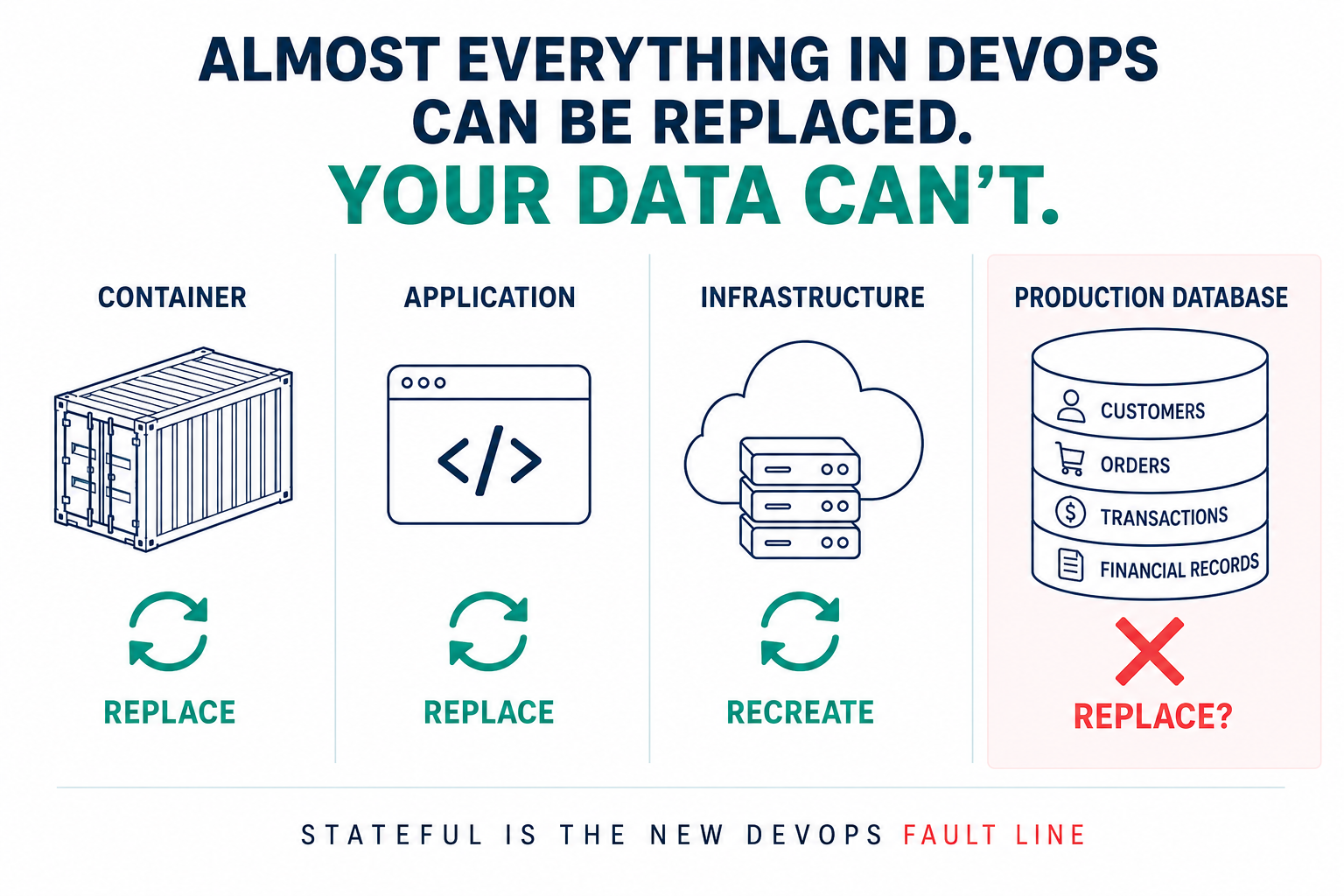
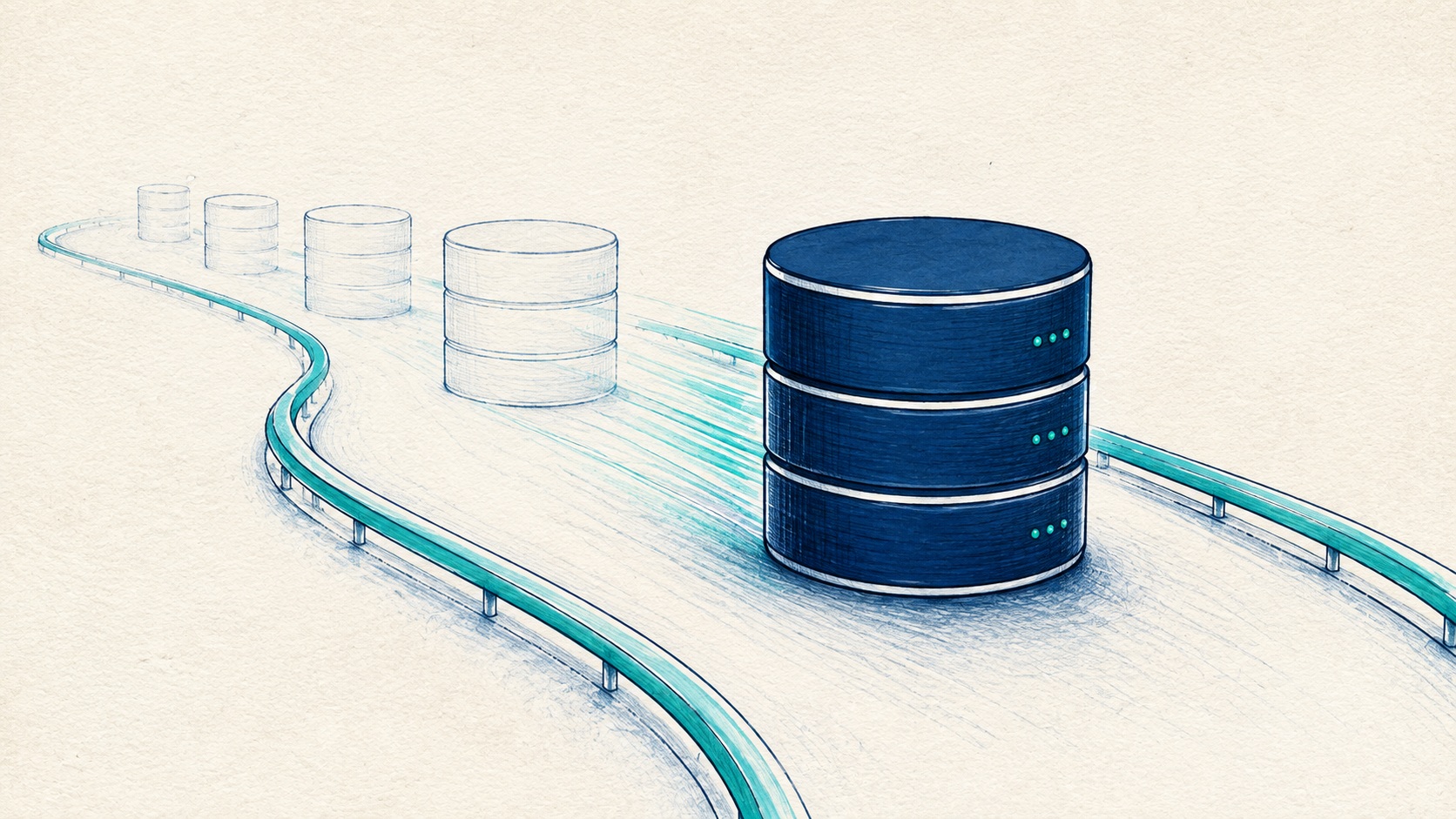
The reason is simple. DevOps grew up around artifacts you can replace. Databases hold state you cannot. You can replace containers. You can replace application binaries. You can increasingly recreate infrastructure. You cannot recreate production data.
The Stateful Database Problem
A database deployment does not simply replace version A with version B. It changes an existing, living system that holds business-critical enterprise data. A schema change can alter millions of records. A dropped column may permanently remove information. A migration can succeed technically while breaking application compatibility. Even a seemingly harmless change can cause locking, performance degradation, or downtime.
And rollback is not necessarily a matter of redeploying yesterday's artifact. Once the database state has changed, users and applications start interacting with it. Reversing that change can then be far more complex than rolling back application code. At enterprise scale, where hundreds or thousands of databases support critical applications across many teams and environments, that complexity grows dramatically. This difference explains why database delivery so often remains the fault line in otherwise mature enterprise DevOps environments.
Why Traditional CI/CD Isn't Enough
Putting SQL scripts in Git is important. Adding database changes to a CI/CD pipeline is important. But neither addresses the stateful problem on its own. A stateful database requires understanding not only what change was requested, but also where it will run and against what existing state.
That means several things at once: validating changes before execution, detecting conflicts and drift, and enforcing enterprise policies. It also means controlling who can make changes, maintaining separation of duties, tracking exactly what happened in each environment, and confirming that a recovery path actually works. This becomes even more important as enterprises accelerate release frequency and database changes grow larger and more complex.
Bringing DevOps to the Stateful Layer
This is the problem DBmaestro was built to address. DBmaestro extends enterprise DevOps practices to databases, while recognizing that databases cannot simply be treated like application artifacts.
DBmaestro brings database changes under source control and detects them automatically. Before deployment, it validates changes against organizational policies and the target database environment. Controlled pipelines manage promotion across environments, while approvals and role-based access ensure that only authorized changes reach production.
DBmaestro also monitors databases for out-of-process changes and drift. This gives enterprise teams visibility into the difference between the expected state and what actually exists. It captures every change, approval, deployment, and result in a complete audit trail. And when something does go wrong, validated rollback capabilities help teams recover safely, instead of assuming that rerunning an old script will restore the previous state.
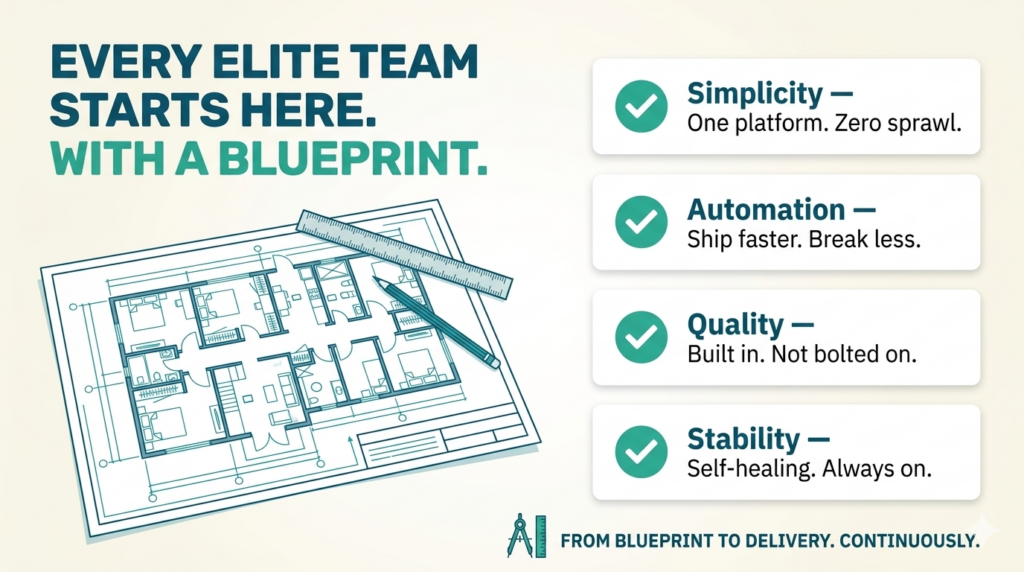
The result is enterprise database delivery that becomes repeatable, governed, auditable, and automated, without pretending the database is stateless.
The Next DevOps Frontier
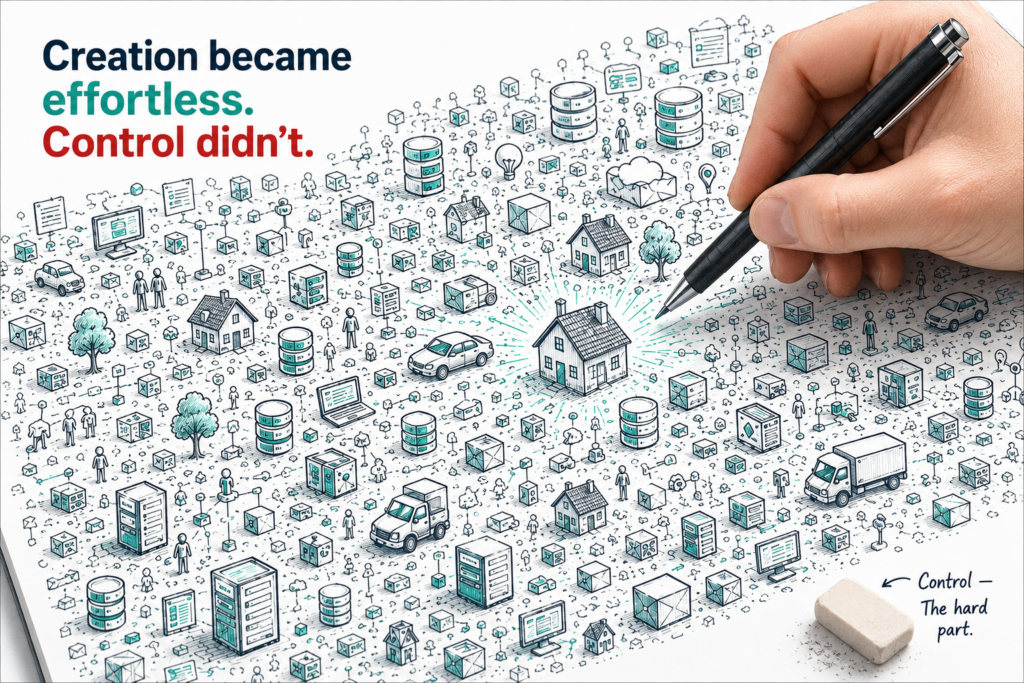
Enterprises have spent years automating application delivery and infrastructure. The next challenge is not simply adding databases to the same pipeline. It is recognizing what makes them fundamentally different, and applying the controls, automation, and governance required to manage that difference at enterprise scale.
The future of enterprise DevOps belongs to organizations that can move fast without losing control of state. Because almost everything in the modern technology stack can be recreated. Your production data cannot.