

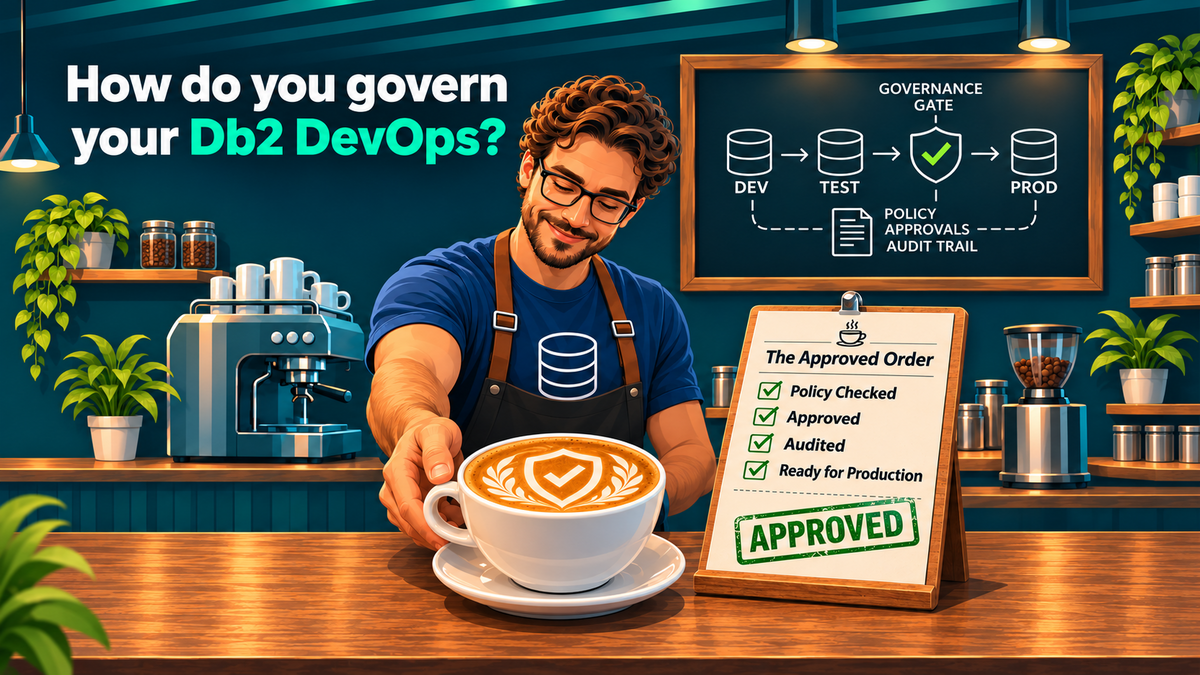
Db2 teams have owned database controls for decades. The next step is supplying the evidence to the GRC program.
Every audit season, someone asks a Db2 team who approved a change to a production table in March. The answer exists, but it's spread across a ticket, an email thread, change board minutes and a DBA's memory. Pulling it together takes days, and then the auditor samples twenty more changes.
The control was in place the whole time. Proving it was manual work.
Separation of duties started here
Db2 shops have separated authority for a long time: who can define objects, who can grant access, who can execute in production. A lot of what GRC teams now ask for across the company, Db2 teams were already doing.
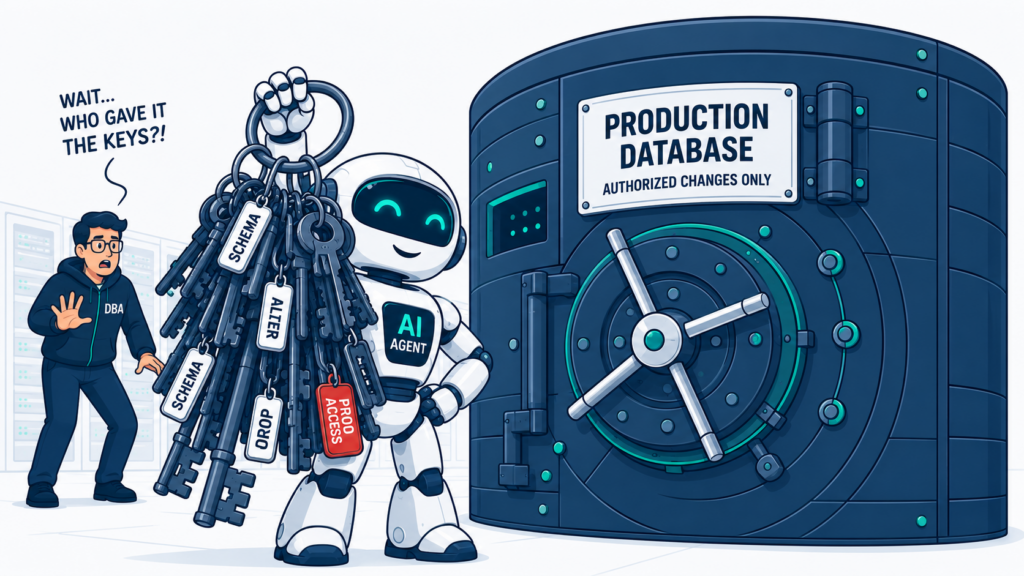
DBmaestro carries that model into the release process. Permissions are set by project, environment and action and tied to your AD or LDAP groups and SSO. Approval gates sit in front of production, and policy gates block a non-compliant change instead of just flagging it. Credentials are pulled at runtime from HashiCorp Vault, CyberArk or your cloud vault, so they never sit in a script.
Evidence that comes with the release
With DBmaestro, audit evidence is produced as part of the work itself. Each Db2 change carries its own record: who wrote it, which policies it passed, who approved it, and where and when it was deployed. A compliance dashboard shows, release by release, whether approvals, policy checks and rollback validation were completed.
See the compliance dashboard in action.

For SOX, SOC 2, HIPAA, GDPR or PCI-related controls, the Db2 team can hand over evidence in hours rather than days.
Contributing to GRC
Most GRC programs have a gap at the database layer. Application code is scanned and reviewed, identity goes through access certifications, and infrastructure is monitored. Database change often still sits in a ticket queue with a manual sign-off.
A Db2 team that shows automated policy enforcement on every change closes that gap for the whole company, and that's visible to the CISO and the audit committee.
It's worth being clear about scope. DBmaestro governs database change and release activity. Monitoring privileged access in real time is a separate job, done by tools such as IBM Guardium. Used together, Guardium covers who touches the data and DBmaestro covers how the database changes.
Next week is about speed, and why the queue in front of Db2 changes was never the Db2 team's fault.
When your last audit sampled Db2 changes, how long did it take to pull the evidence together?
Make every Db2 release audit-ready.
DBmaestro is IBM’s strategic OEM solution for Enterprise Database DevOps, Observability, and Compliance.
Commercially integrated into IBM’s DevOps ecosystem and go-to-market strategy, delivering enterprise-grade database automation, governance, and control at scale.